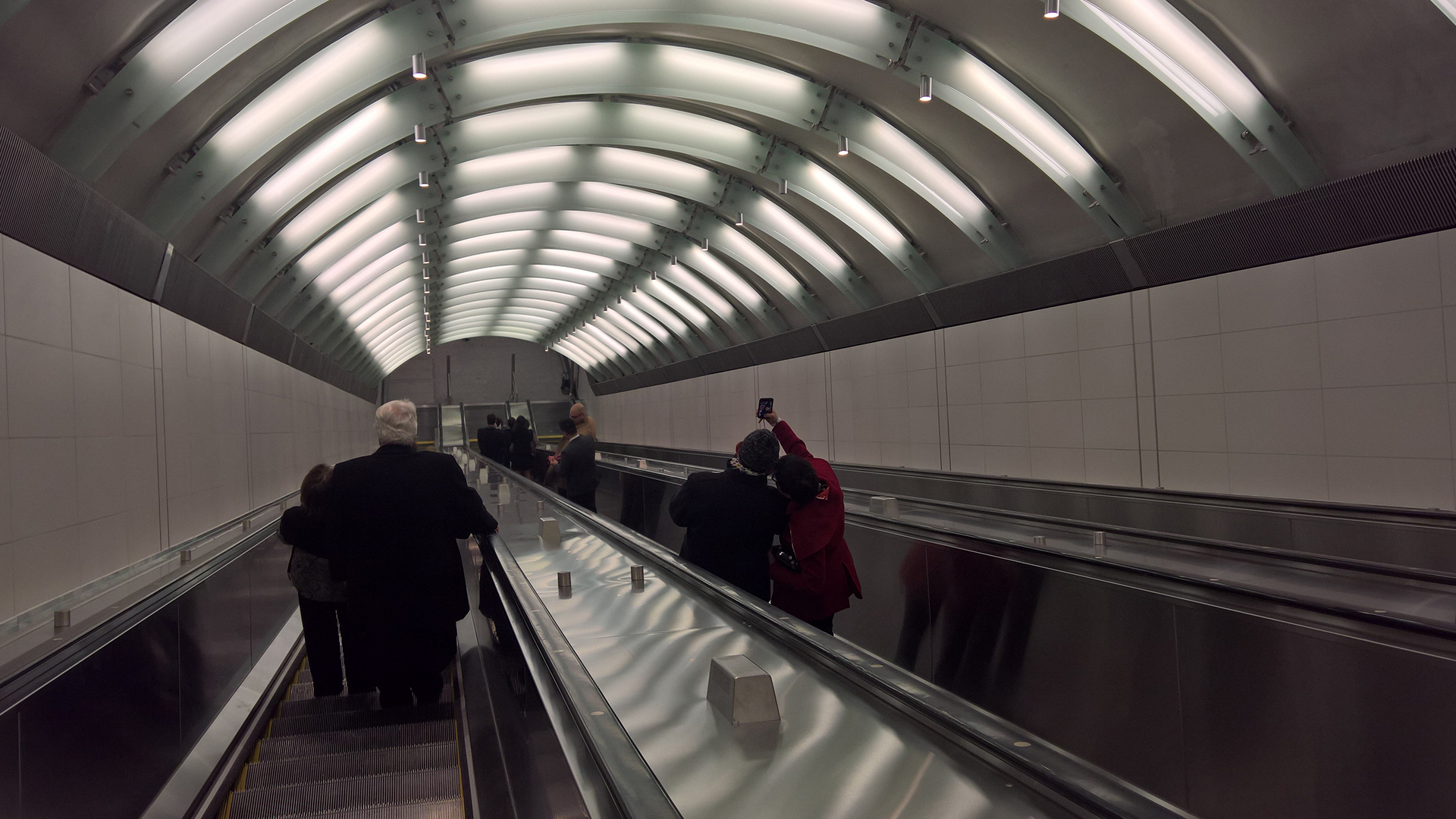
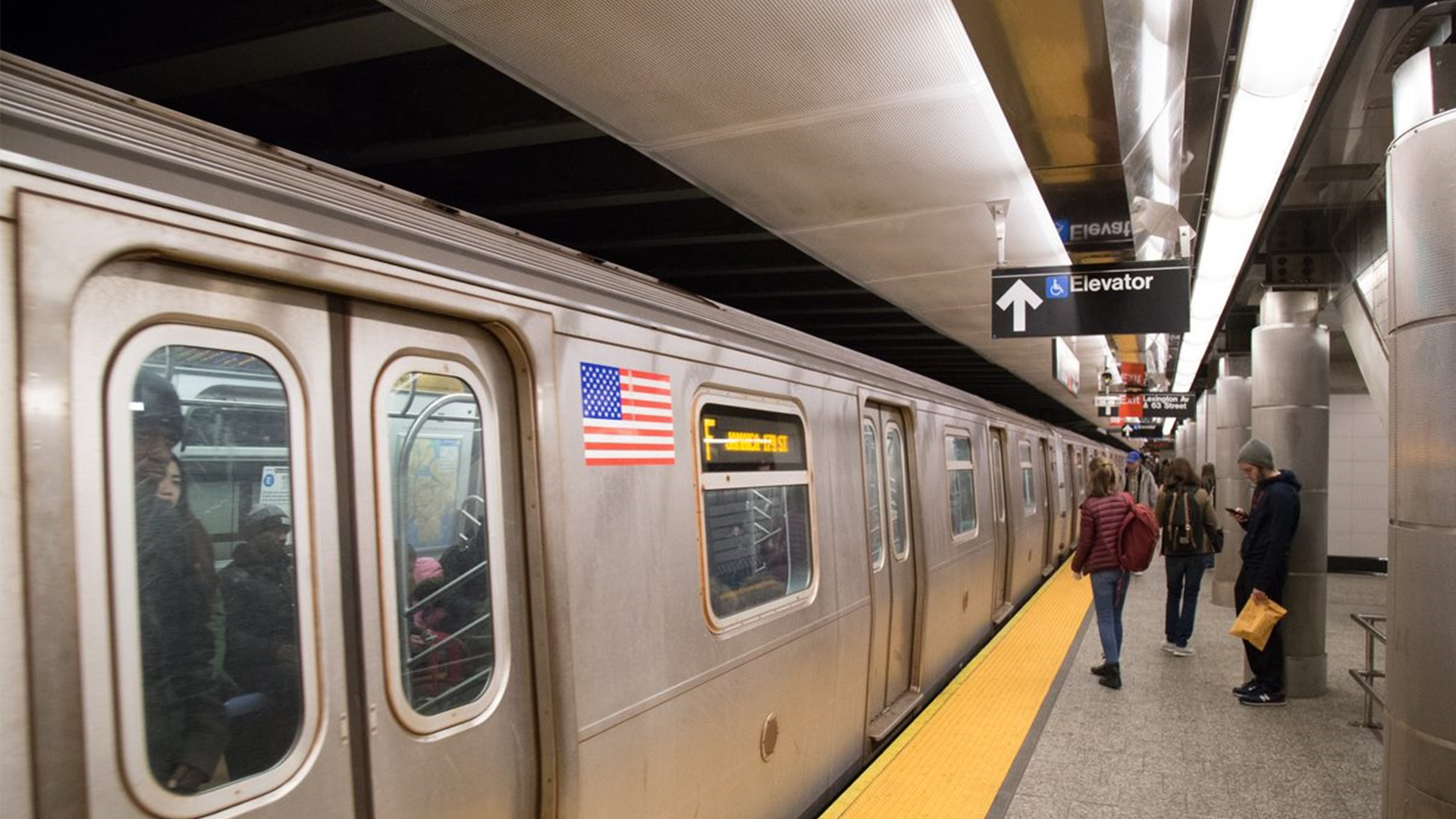
In December 2016, the company successfully completed work for the Metropolitan Transportation Authority (MTA) at the 72nd Street and 63rd Street stations, an integral part of New York’s Second Avenue Subway line, which expands services on the Q and F lines.
The first phase of the Second Avenue Line extends the Q train service by 8.5 miles along Manhattan’s East Side, connecting the 63rd Street and Broadway Lines with the new stations at 72nd Street, 86th Street and 96th Street. This project represents the first major expansion of the New York City Subway system in more than 60 years.
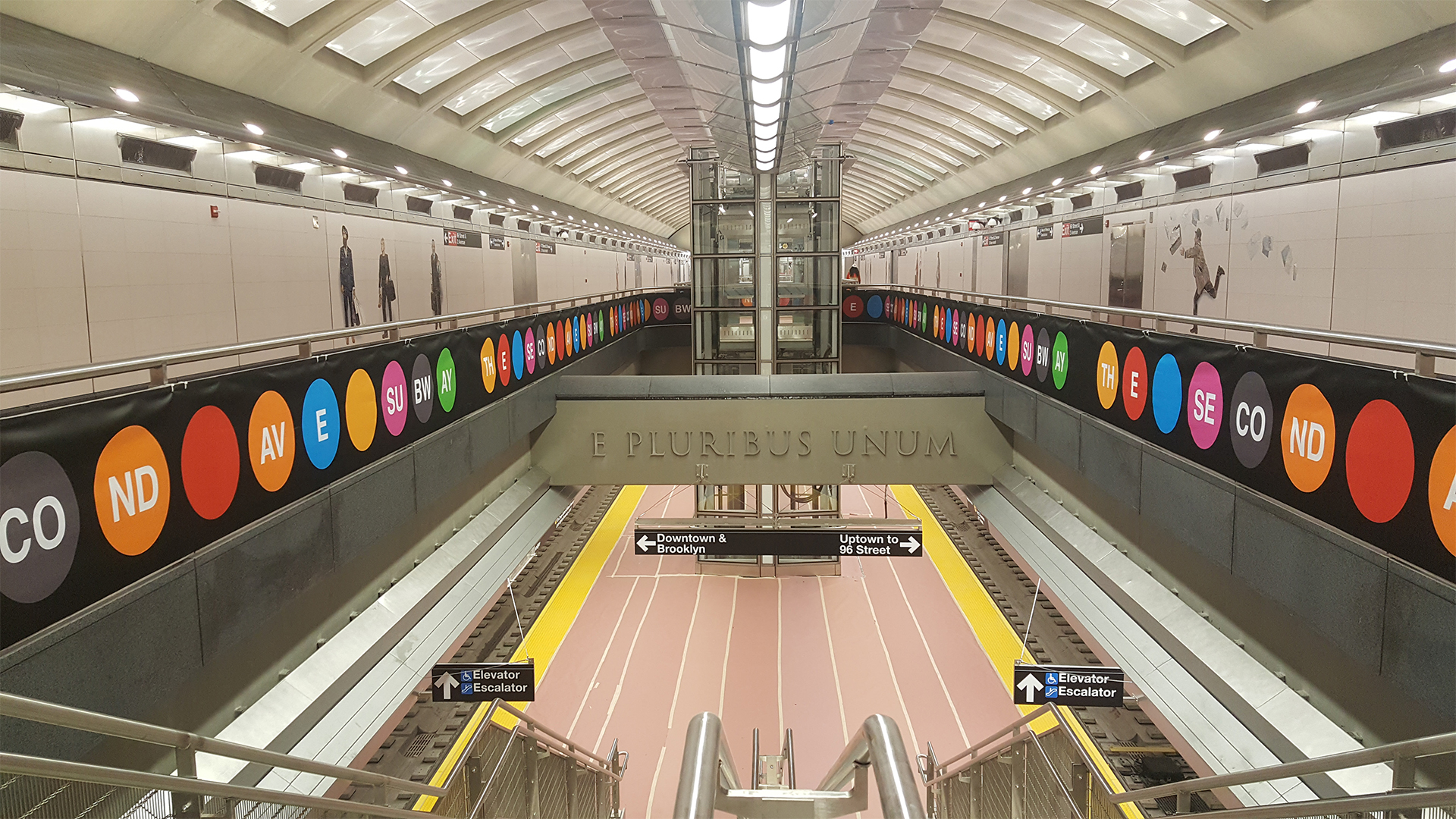
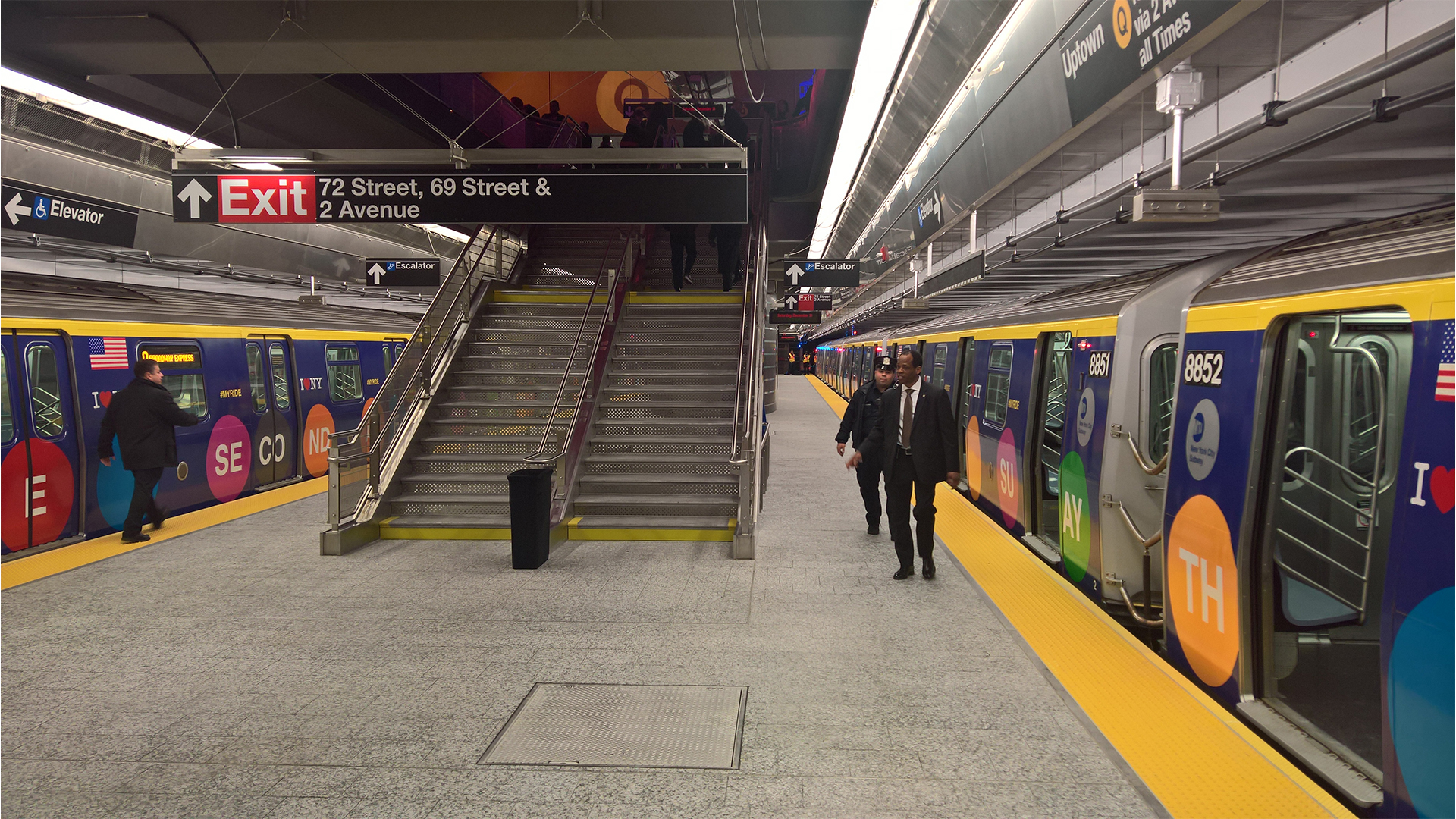
The new stations, located at 96th, 86th, 72nd and 63rd streets, have been widely praised by passengers for their high ceilings, spacious design, cleanliness and modern features, as well as their custom artistic elements integrated into ceramic tile finishes. The 72nd Street station features Vik Muniz’s “Perfect Strangers”, a series of mosaics portraying the diverse community of New Yorkers living and working nearby. Additionally, dozens of life-sized portraits are displayed throughout the platform and mezzanine levels, as part of the MTA’s Arts for Transit program.
The 72nd Street Station, the busiest station on the new Second Avenue line, was the largest project of the two. The OHL Group was awarded the contract in February 2013. The station includes seven elevators, eleven escalators (seven of which are ADA-compliant), three entrances, a full-length island platform serving two tracks, and two ancillary areas. The project was executed under a highly complex schedule, covering everything from civil construction to mechanical systems installation.
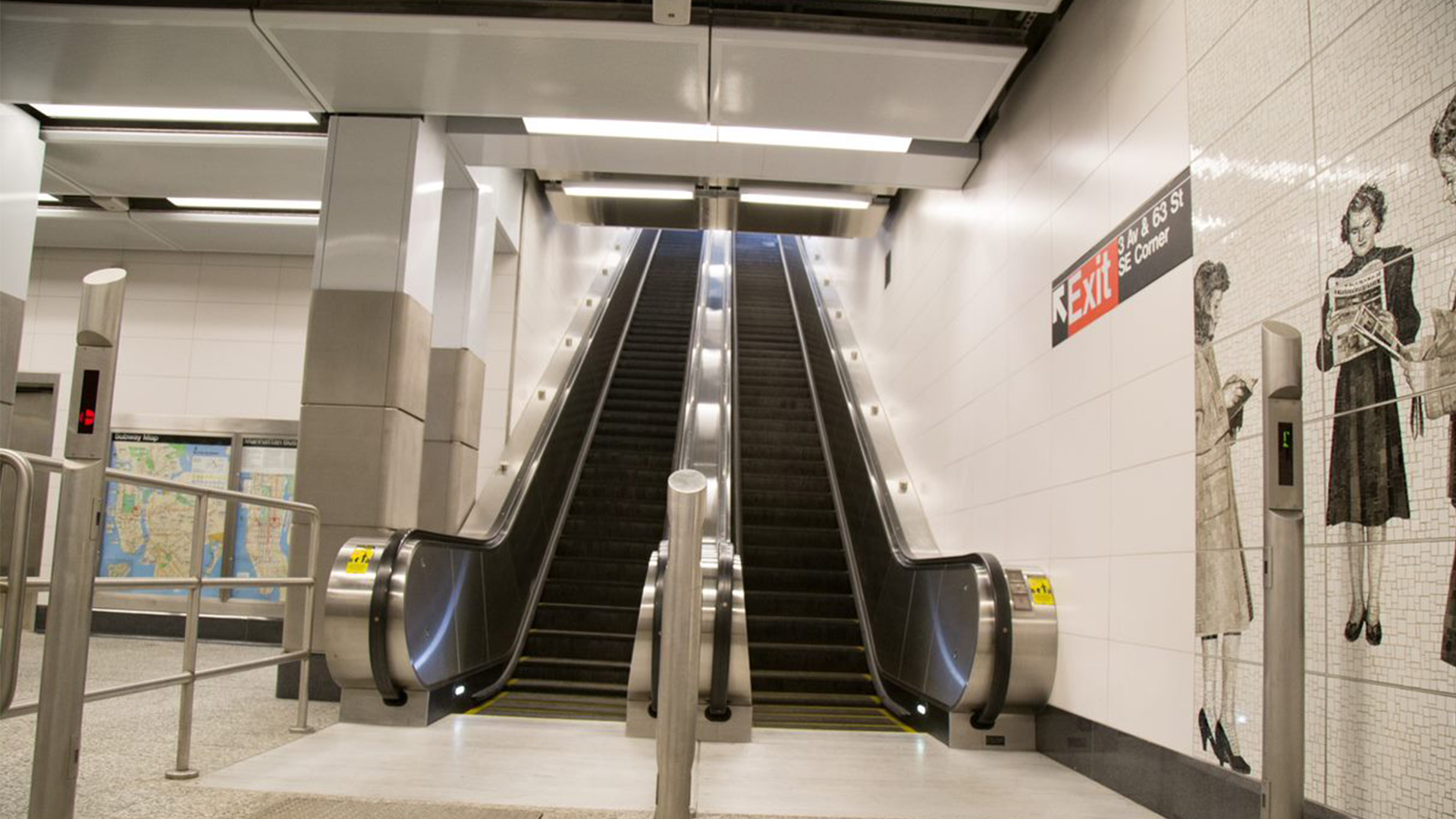
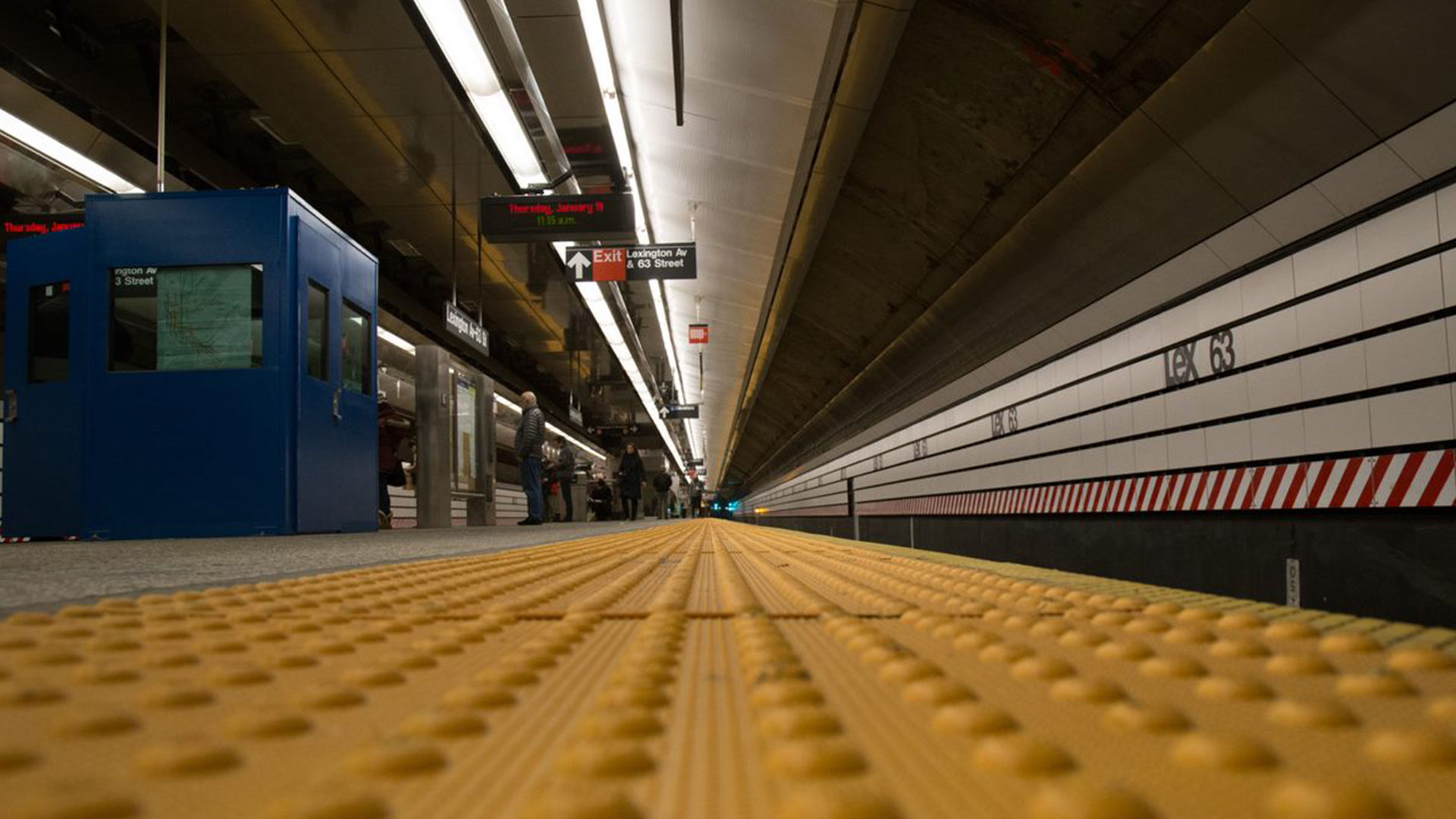
Unlike the 72nd Street station, the 63rd Street Station project involved the rehabilitation of an existing F line station, originally built in the 1970s but left unfinished for more than 40 years. The scope of work was similar in complexity, involving extensive underground and surface construction. The project included the installation of five new elevators —two of them ADA-accessible from street level— as well as two escalators, a control area, new ancillary facilities, and ventilation structures connected to the surface. The ventilation and climate control systems maintain the station at temperatures approximately 10 degrees cooler during the summer months.
Service was inaugurated on January 1, 2017, with the system expected to serve more than 200,000 daily passengers during the first phase. After more than a century in planning, the subway finally reached Second Avenue, significantly improving urban mobility and quality of life for hundreds of thousands of residents. In addition, the new stations were designed in compliance with the Americans with Disabilities Act (ADA), ensuring accessible transit for users with disabilities.
Para ofrecer las mejores experiencias, utilizamos tecnologÃas como las cookies para almacenar y/o acceder a la información del dispositivo. El consentimiento de estas tecnologÃas nos permitir? procesar datos como el comportamiento de navegación o las identificaciones ?nicas en este sitio. No consentir o retirar el consentimiento, puede afectar negativamente a ciertas caracterÃsticas y funciones.