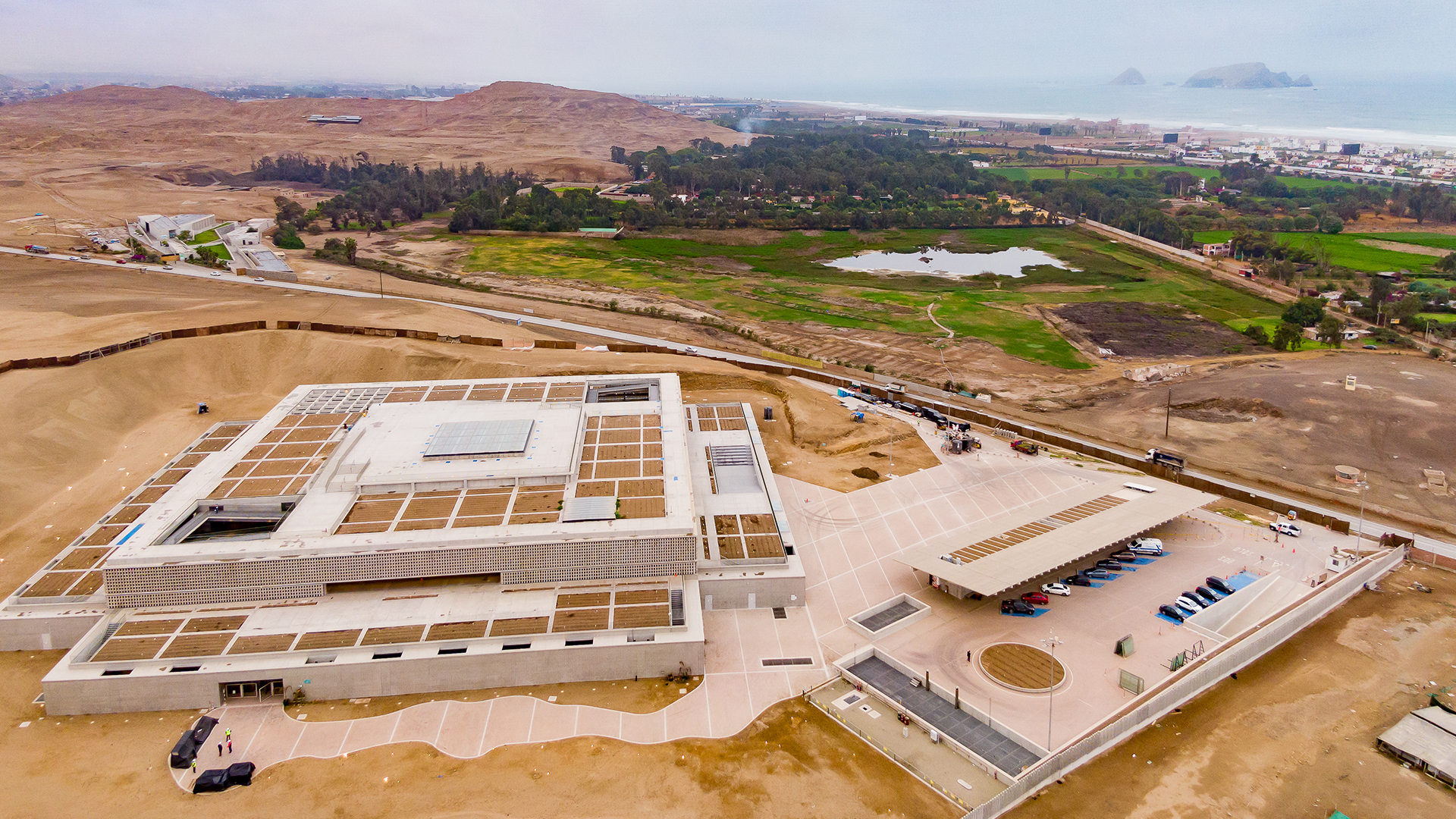
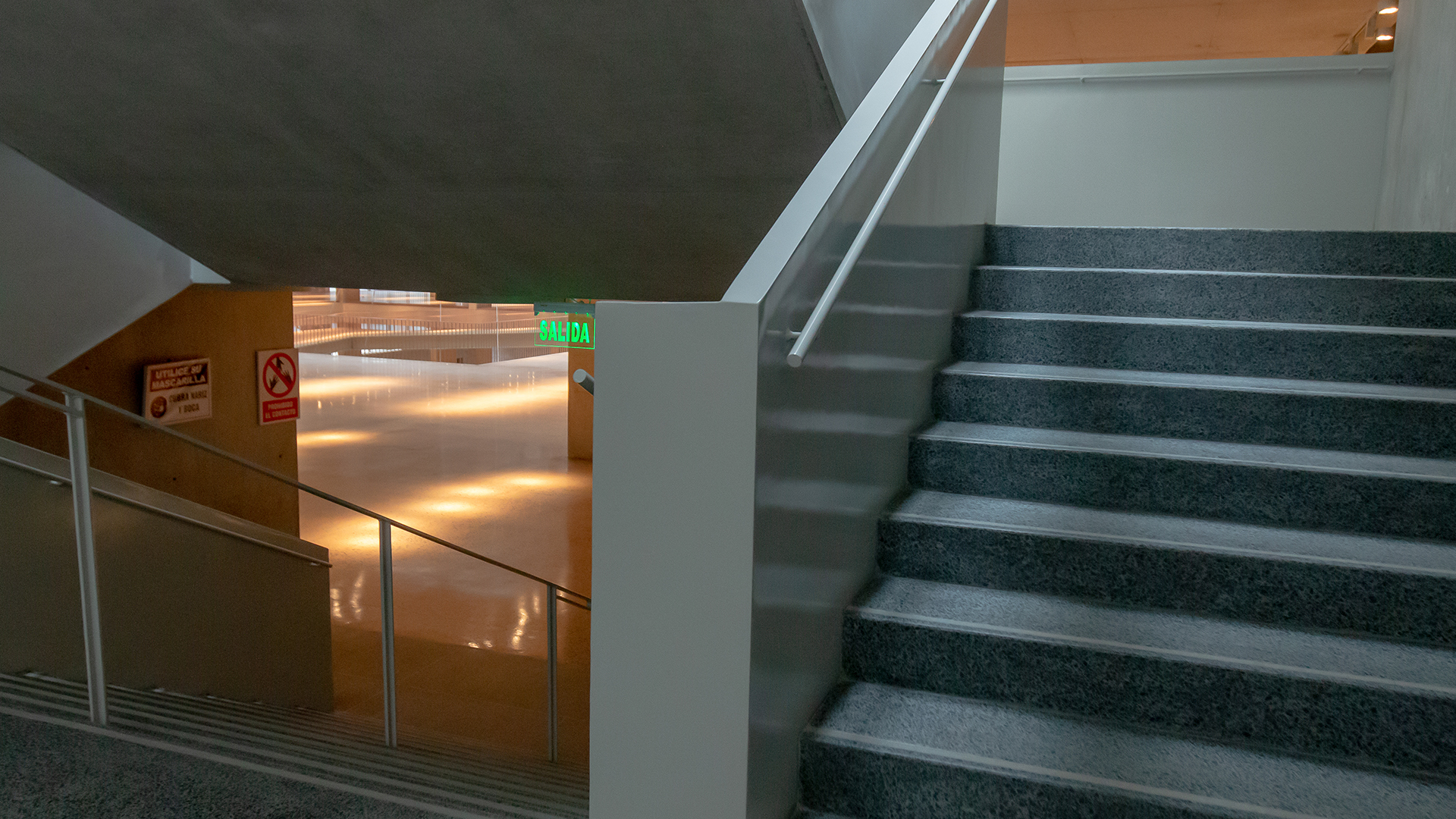
The center also features an innovative Children’s Museum, an auditorium with 450 seats, meeting rooms, and restaurant, service and parking areas.
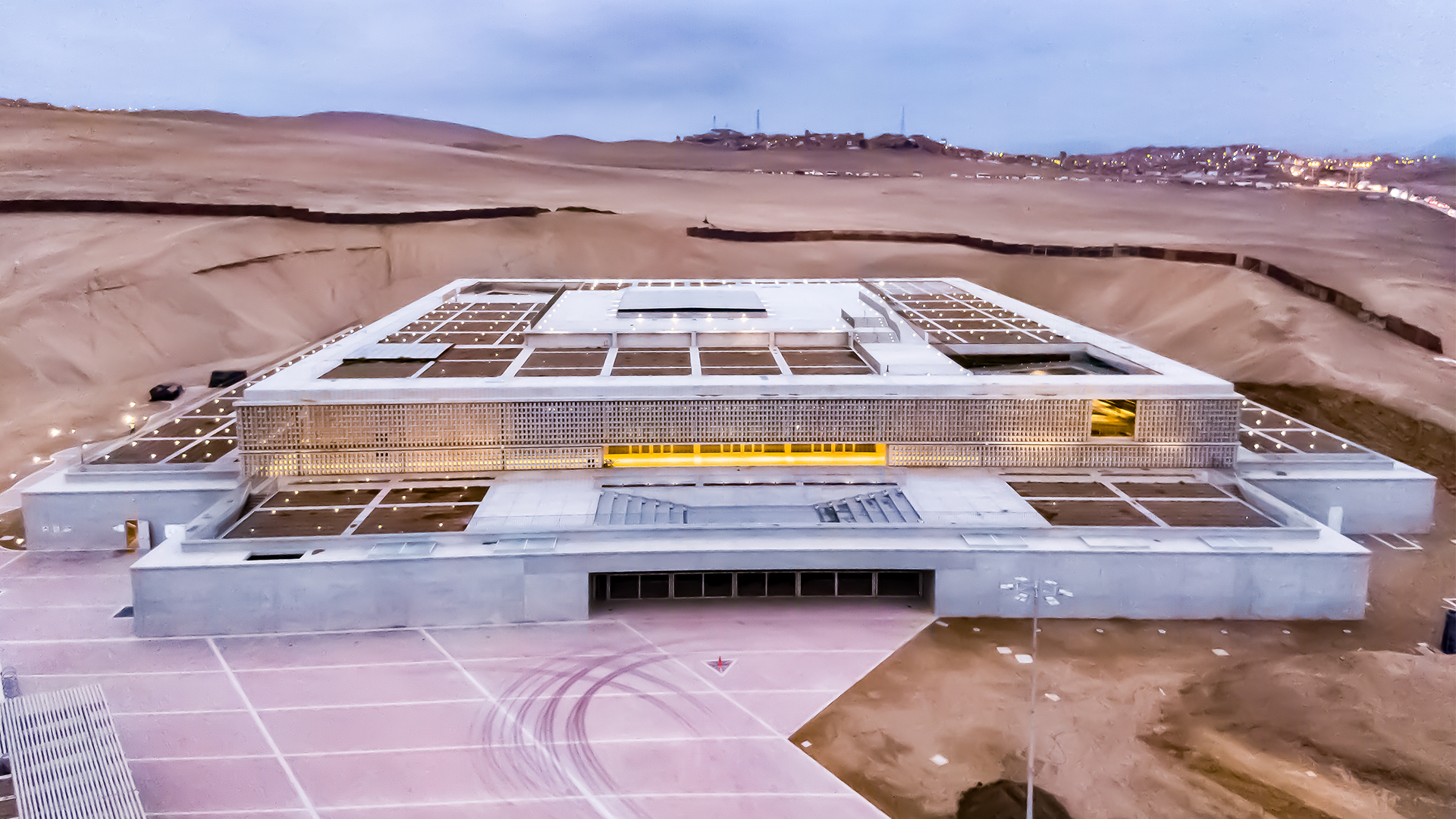
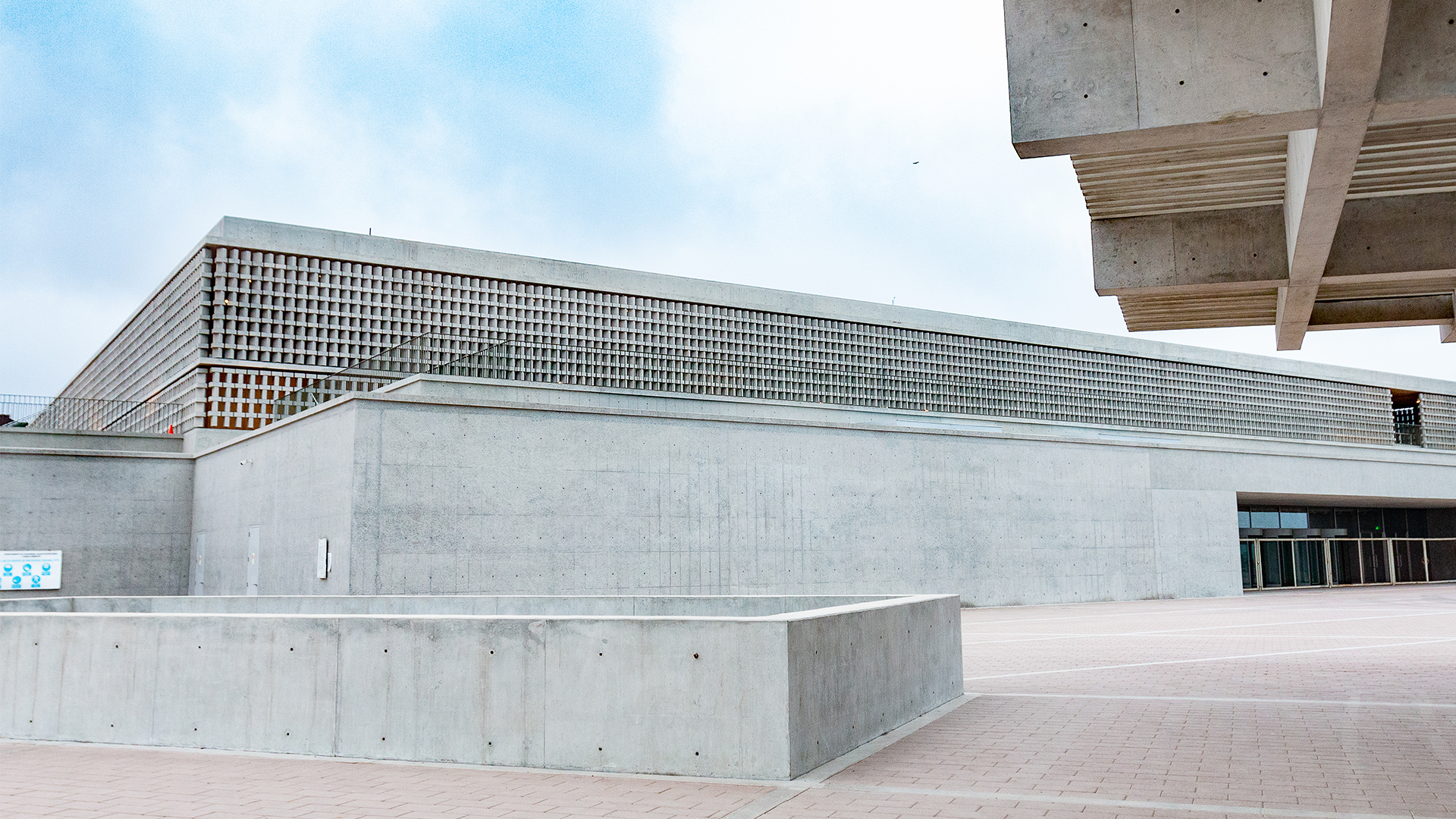
The MUNA is one of the largest investment projects in the history of Peru, built at the request of the Ministry of Culture and with an architectural design that evokes a pre-Hispanic legacy.
The complex consists of two buildings and occupies an area of more than 75,000 m², located in the archaeological zone of Pachacámac, in the district of Lurín, at km 31 of the old Southern Pan-American Highway.
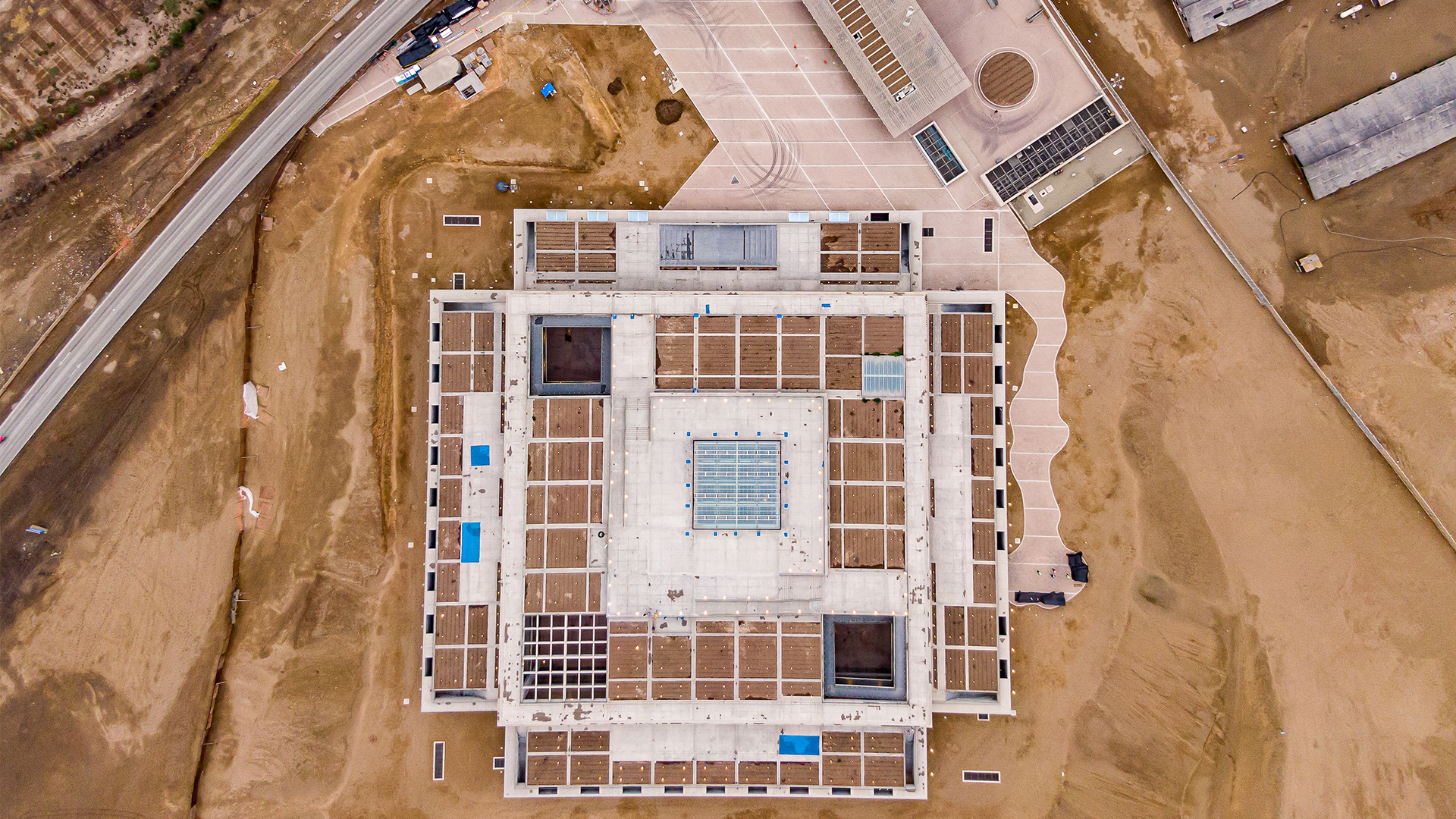
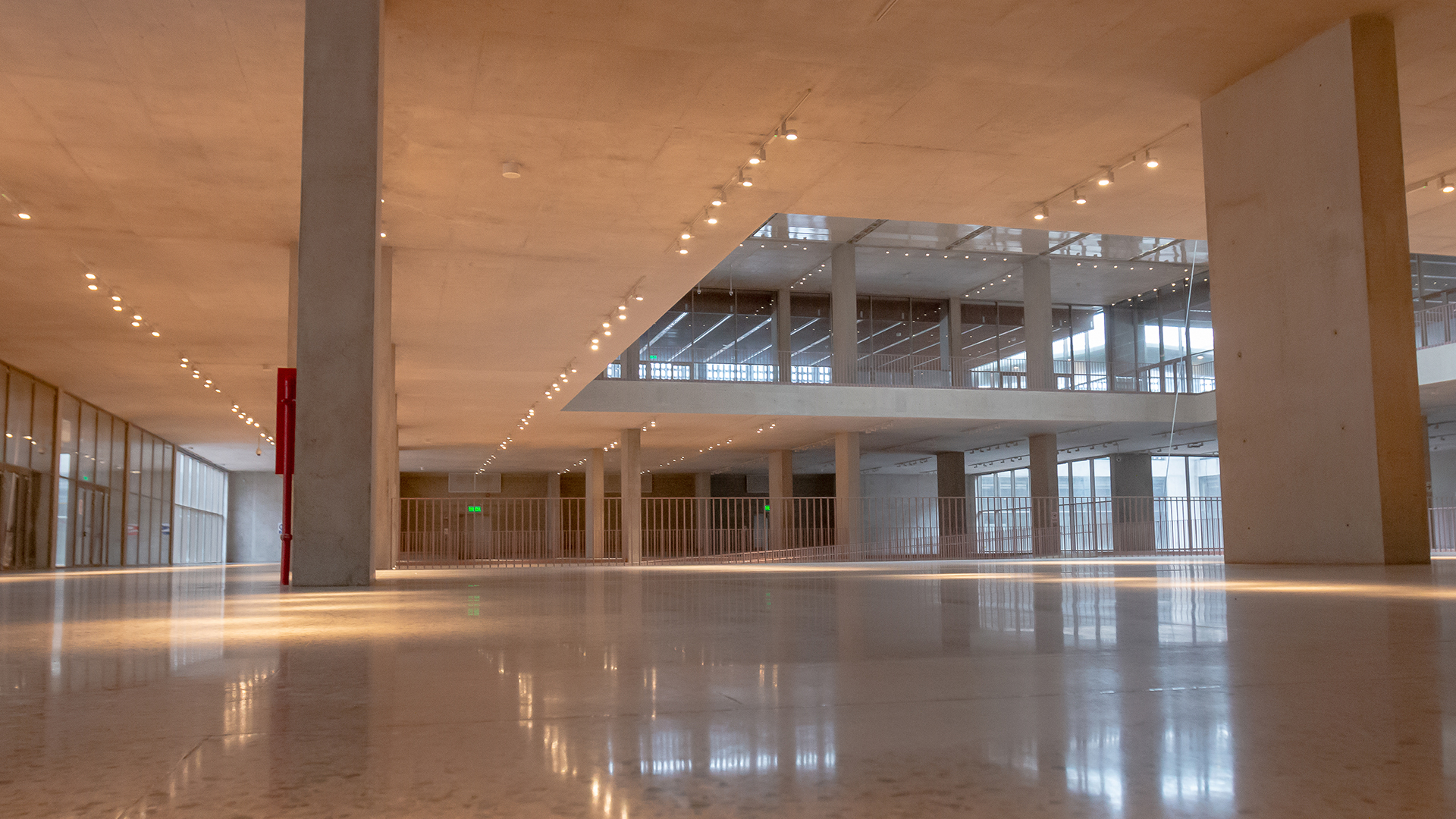
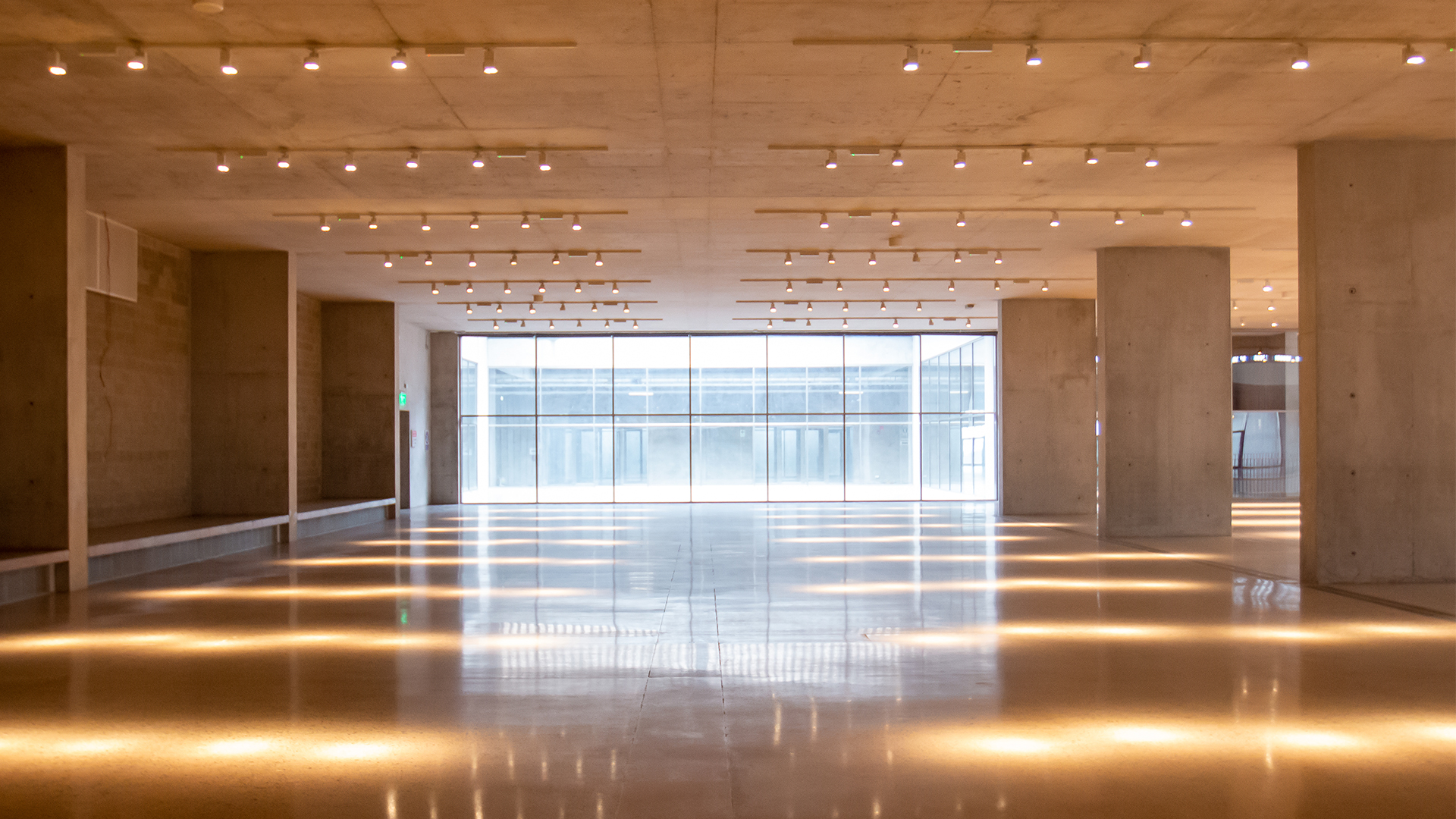
It comprises three underground levels (with level -3 below the water table), two above-ground floors, and a top level designed as a terrace. Attached to this is the parking and technical areas building, with two underground levels, whose upper deck forms a large public plaza in front of the museum.
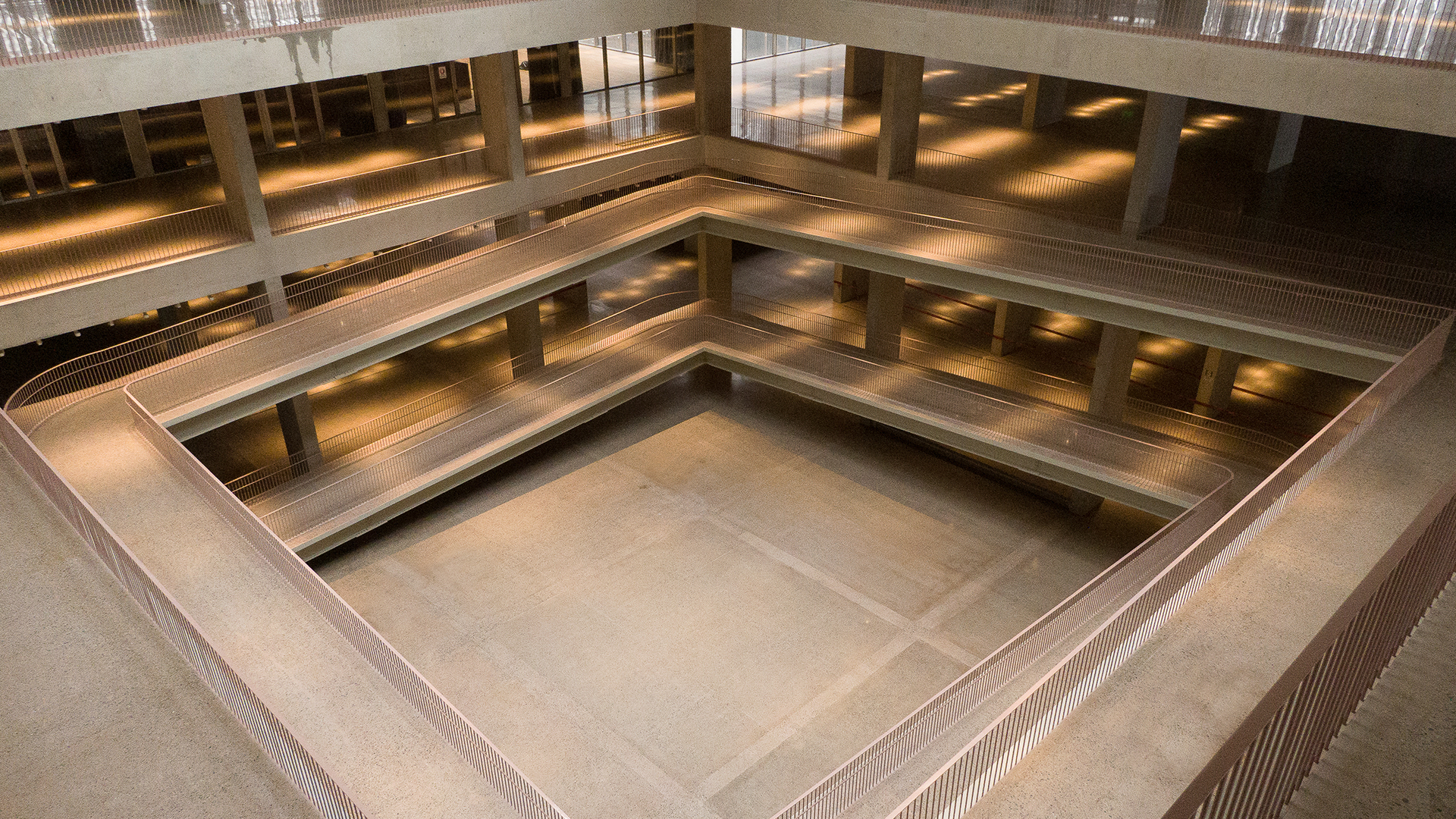
The upper floors are connected by wrap-around ramps surrounding a central open space, which maximizes natural lighting to showcase the valuable archaeological collection.
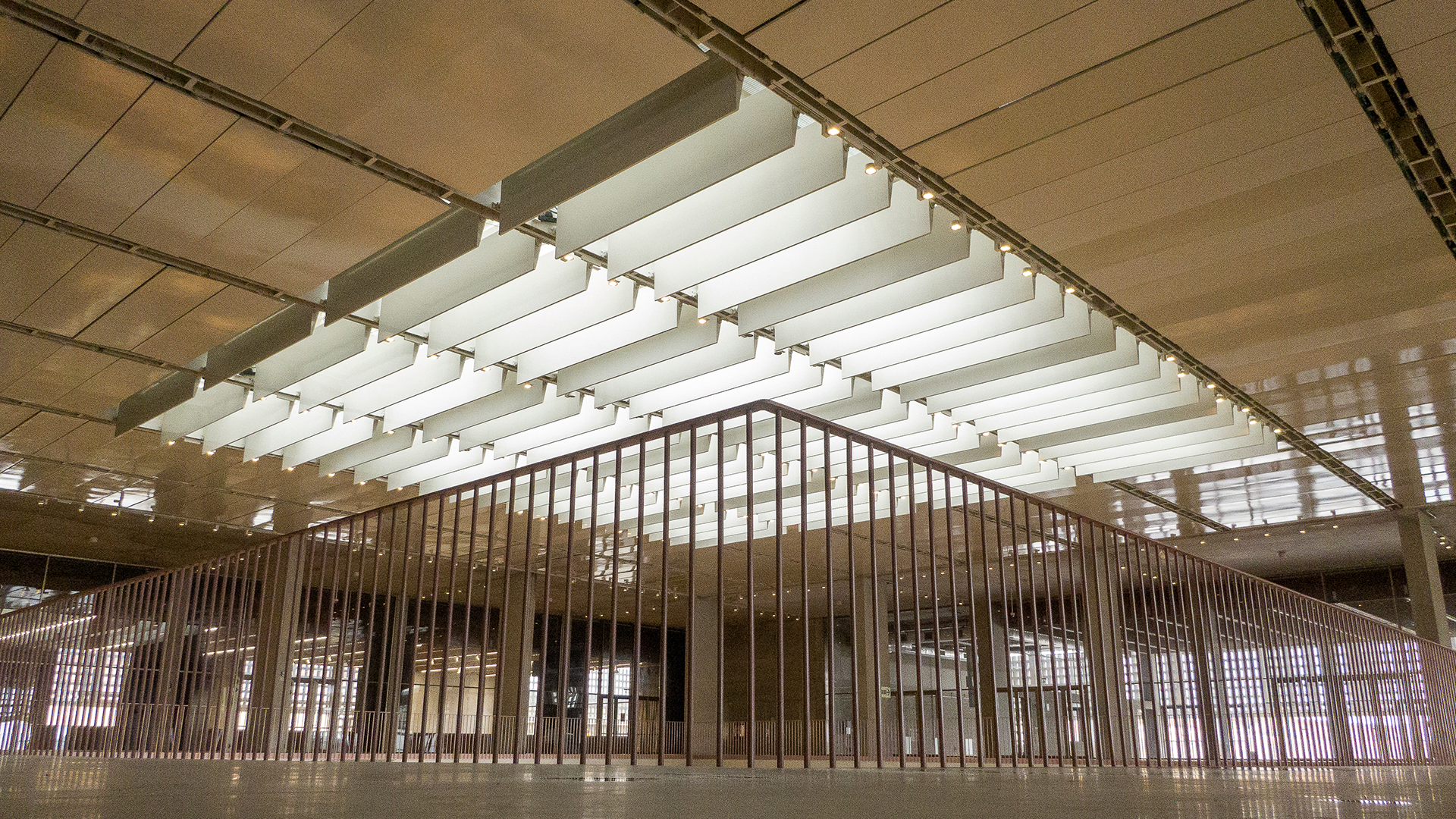
Light enters through a skylight with more than 40 meters of free span, featuring glazing on a structural steel framework and an automated adjustable louvre system.
During its execution, high standards of innovation and sustainability were applied, including the use of the Lean Construction methodology, with tools such as Last Planner and Flow Lines, as well as the implementation of BIM, used for clash detection in complex installations and networks and for virtual reality simulations available to technical teams during construction.