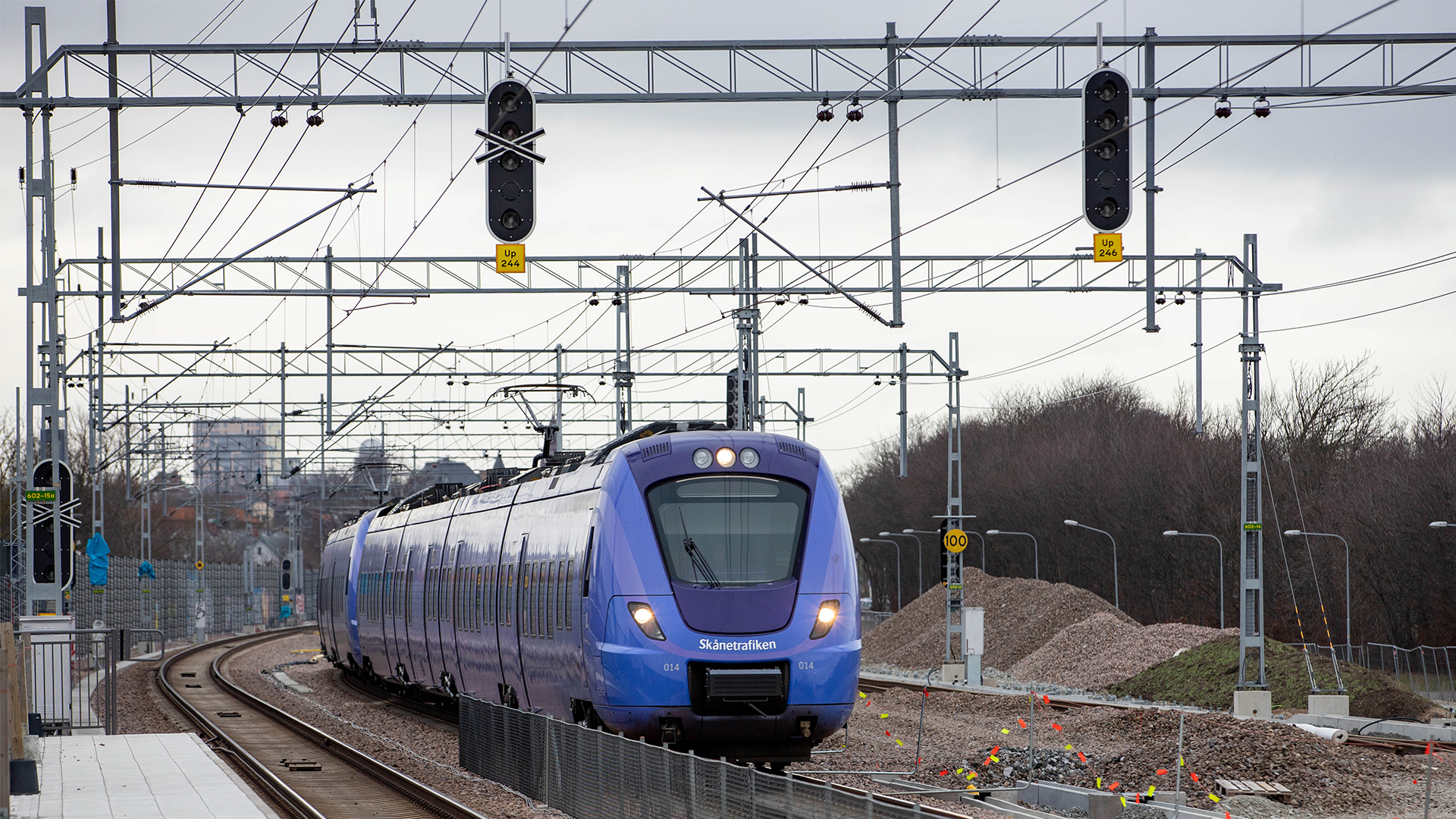
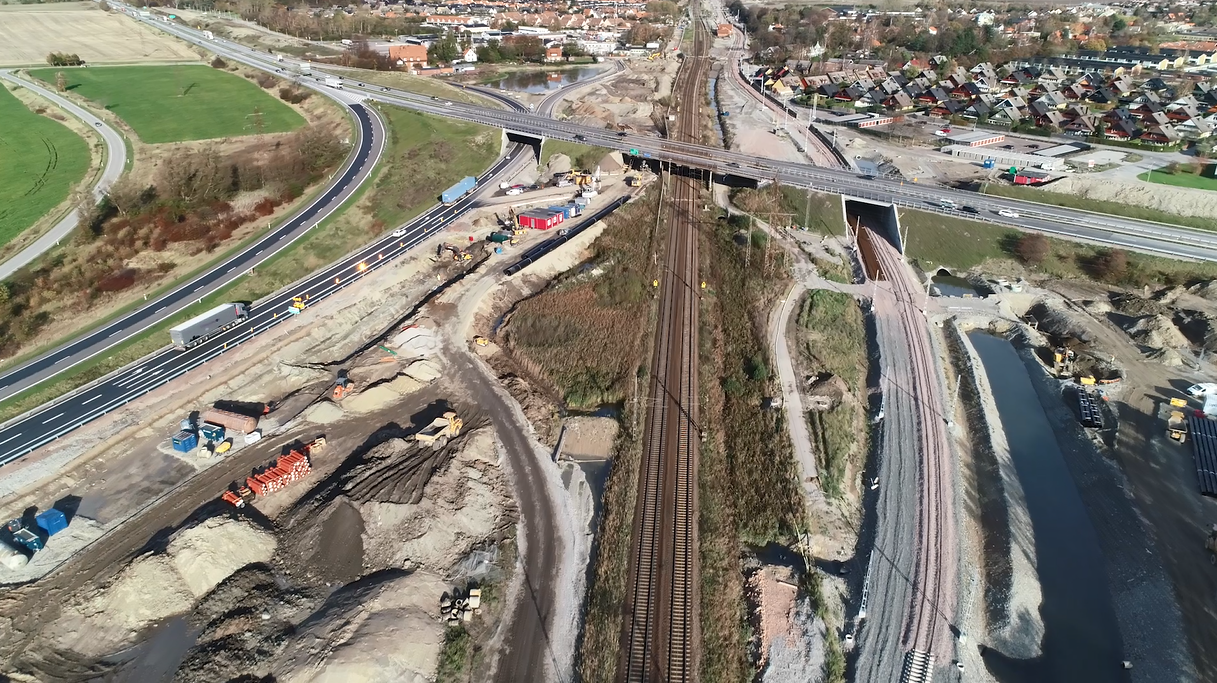
The Lund–Arlöv project was distinguished in 2025 by Engineering News-Record (ENR) as one of the world’s leading railway developments. Overall, it has modernized one of Sweden’s main rail corridors—connecting Malmö and Stockholm—by expanding the 11-kilometer section between Lund and Arlöv from two to four tracks. This intervention has increased capacity, improved punctuality, and strengthened the sustainability of rail transport, consolidating the modal shift toward more efficient and environmentally friendly mobility solutions. As a result of this transformation, the corridor now accommodates up to 650 trains per day and serves more than 80,000 passengers daily, making it a key piece of infrastructure for sustainable mobility in the country.
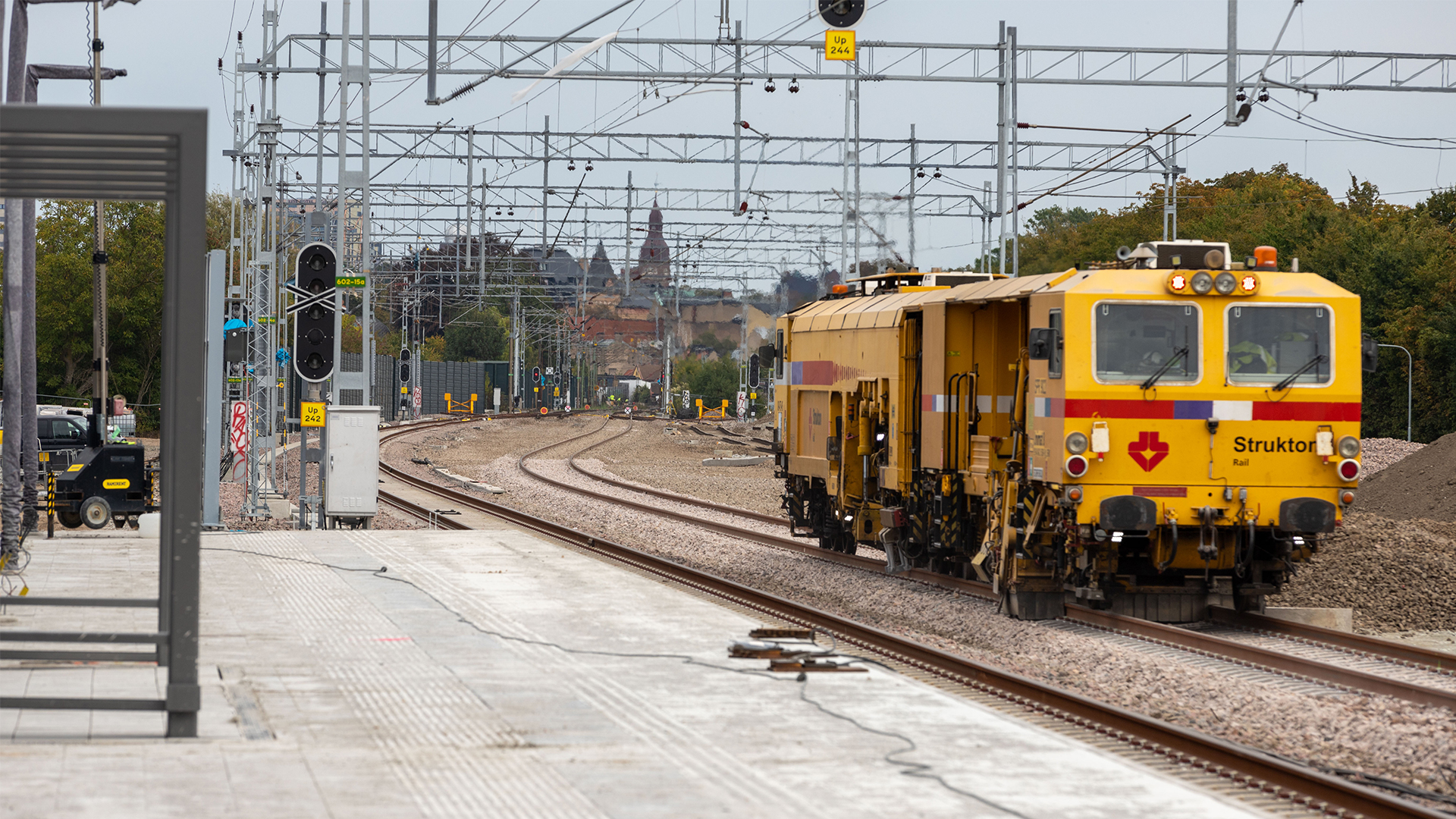
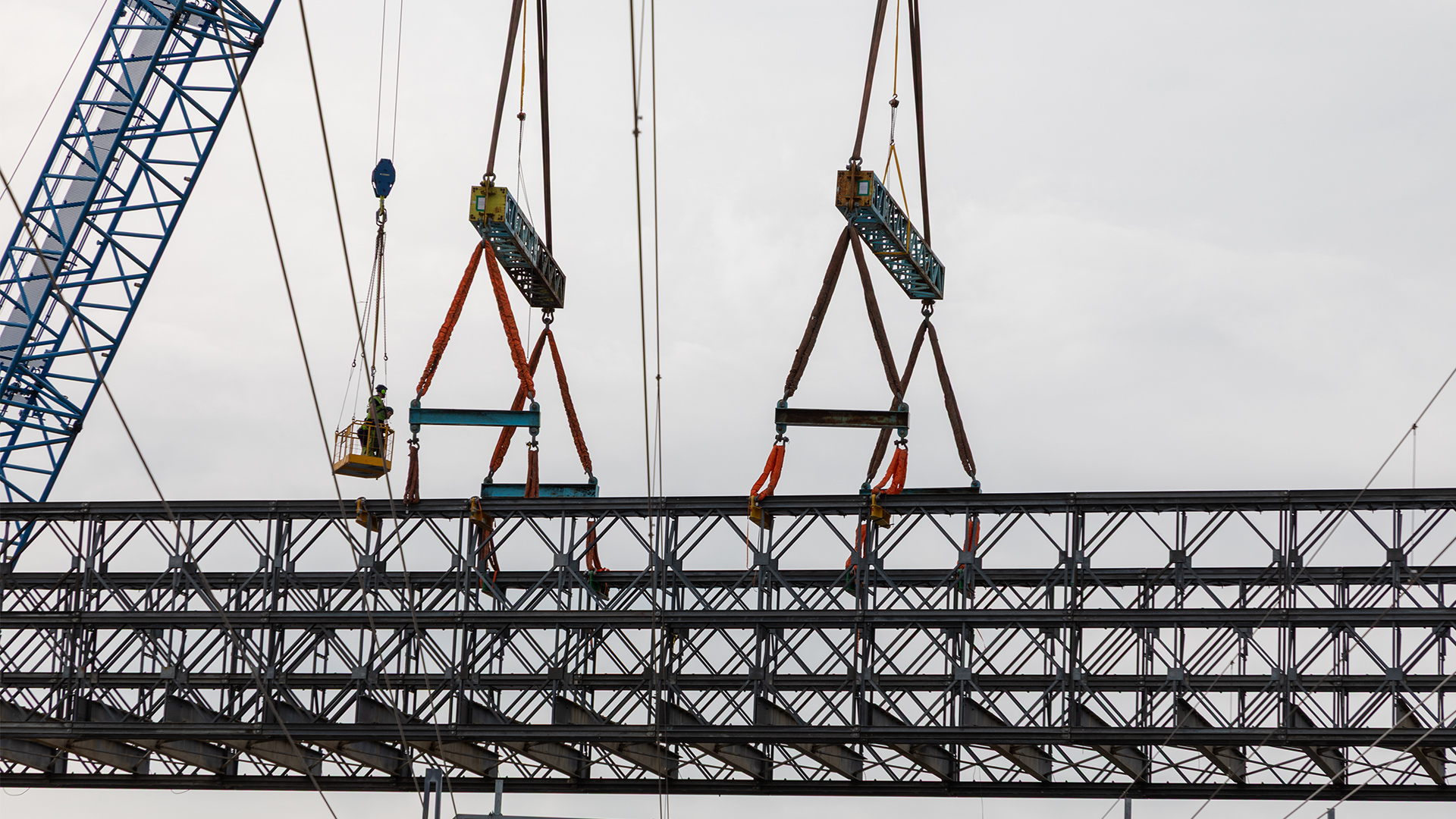
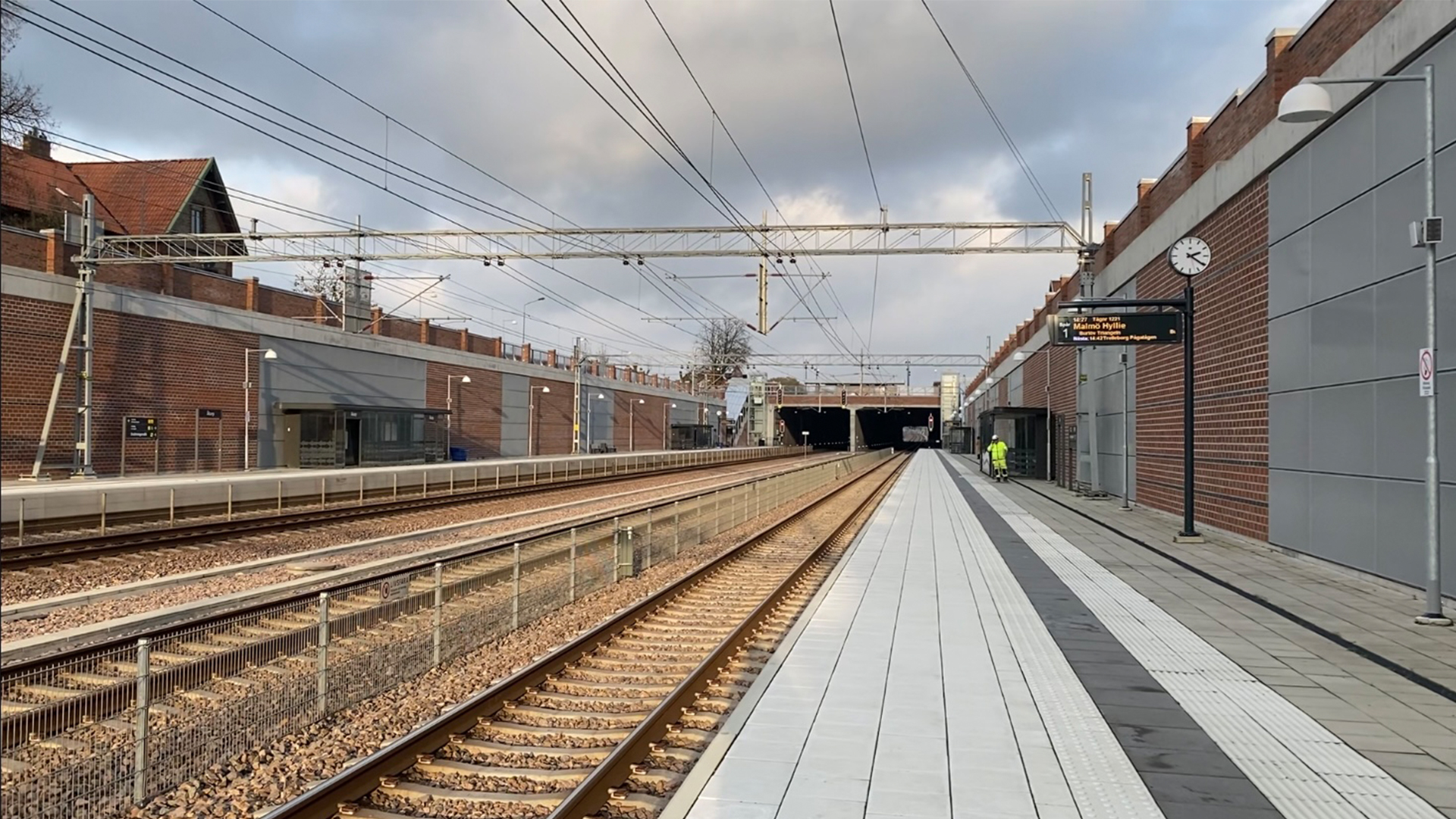
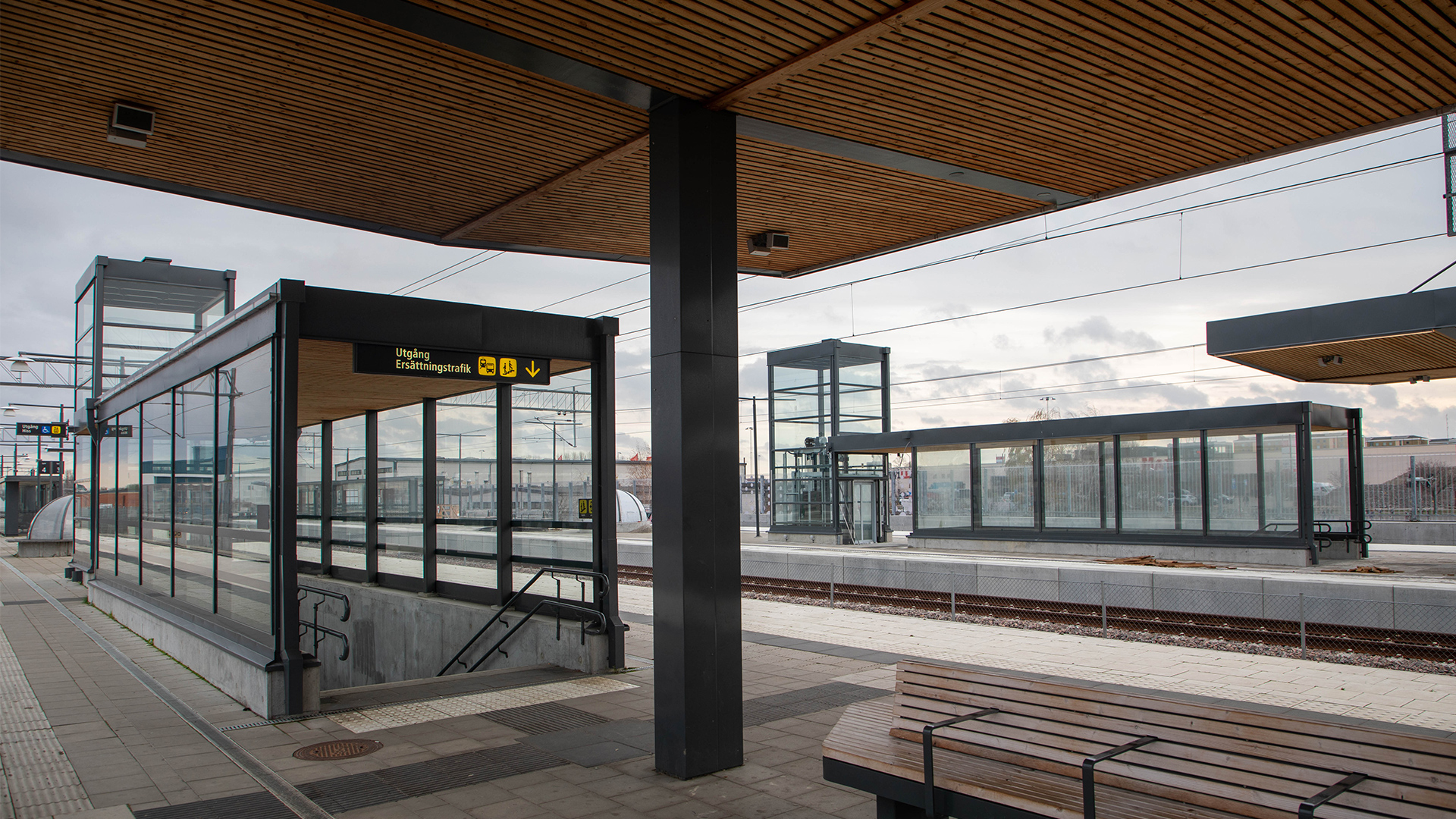
The project included highly complex technical works, such as the construction of temporary tracks to keep railway operations running throughout the works, major earthworks, the execution of 2.5 kilometers of retaining walls, and a 400-meter tunnel in Åkarp, built using the cut-and-cover method with diaphragm walls. The scope also comprised the refurbishment of the Burlöv, Åkarp, and Hjärup stations, the construction of the new Klostergården station, as well as nine railway bridges, thirteen road bridges, two underpasses, seven kilometers of temporary roads, and five pumping stations. The four-track system entered into operation in 2023, while the remaining phases were completed in 2025, with formal handover on May 5, 2025.
The project stands out for its pioneering use of digital technologies, including a real-time digital twin that integrated BIM, GIS, and drone data to coordinate information, enable 4D planning, and manage risks. A cloud-based Common Data Environment (CDE) was established using Autodesk BIM 360, centralizing models, schedules, and documentation. Digital simulations were also carried out for critical operations, such as the construction of bridges over the E6 motorway.
In addition, mobile applications were implemented for inspections and real-time traceability, enabling precise execution in critical structures and continuous quality control. Sustainability was another cornerstone of the project, achieving significant reductions in greenhouse gas emissions through the use of optimized concrete, recycled steel, and non-fossil fuels, as well as the reuse of 80% of temporary materials and surplus resources. This approach earned the project the Sweden Green Building Award 2022 for sustainable infrastructure.
In this regard, it is also worth highlighting the project’s positive impact on local communities, including noise reduction through trench alignments and acoustic barriers, improved accessibility thanks to modern stations such as Klostergården—integrated into the urban fabric and respectful of the Höjeådalen nature reserve—and increased train frequencies, enhancing regional connectivity.
Para ofrecer las mejores experiencias, utilizamos tecnologÃas como las cookies para almacenar y/o acceder a la información del dispositivo. El consentimiento de estas tecnologÃas nos permitir? procesar datos como el comportamiento de navegación o las identificaciones ?nicas en este sitio. No consentir o retirar el consentimiento, puede afectar negativamente a ciertas caracterÃsticas y funciones.