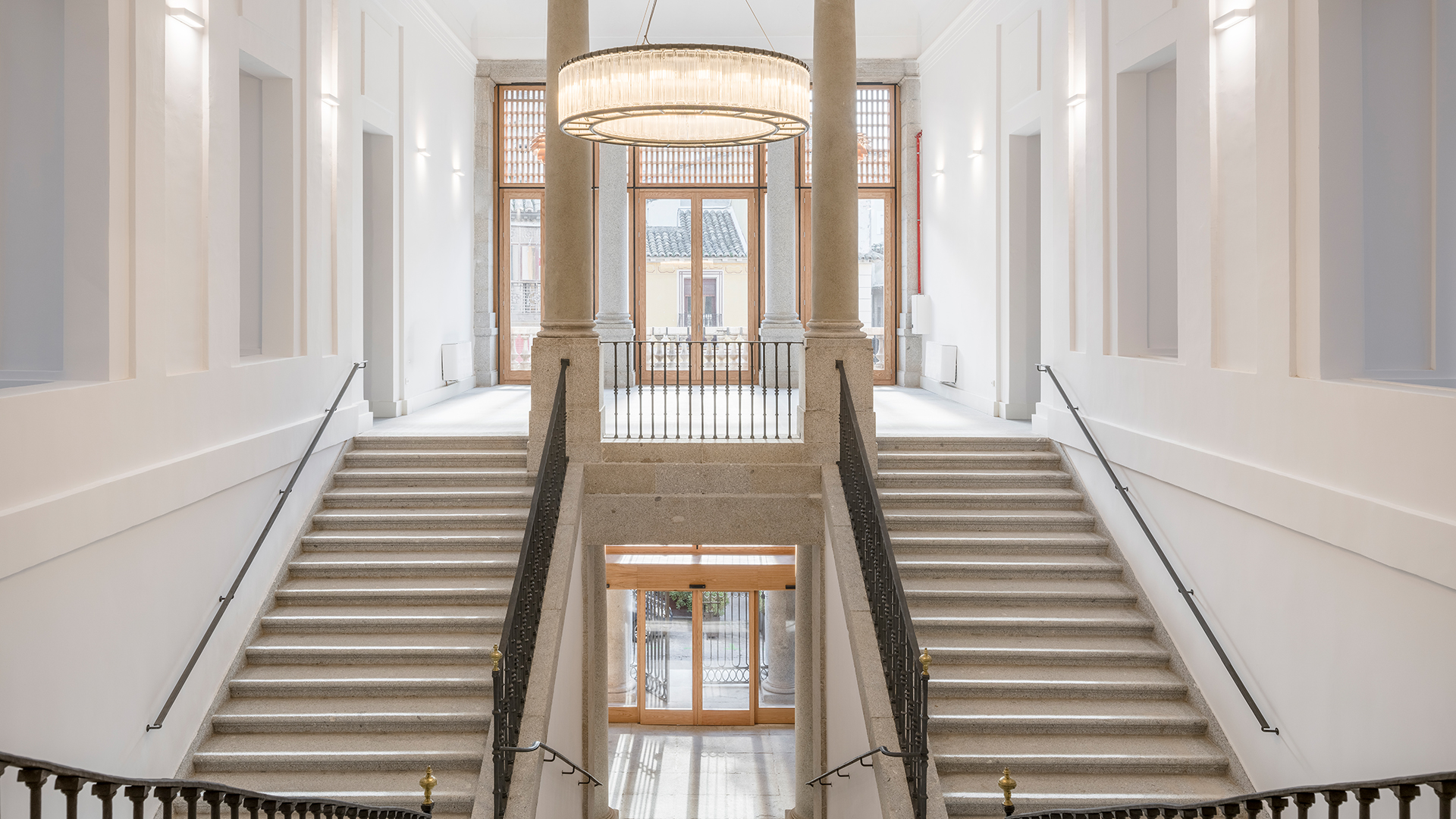
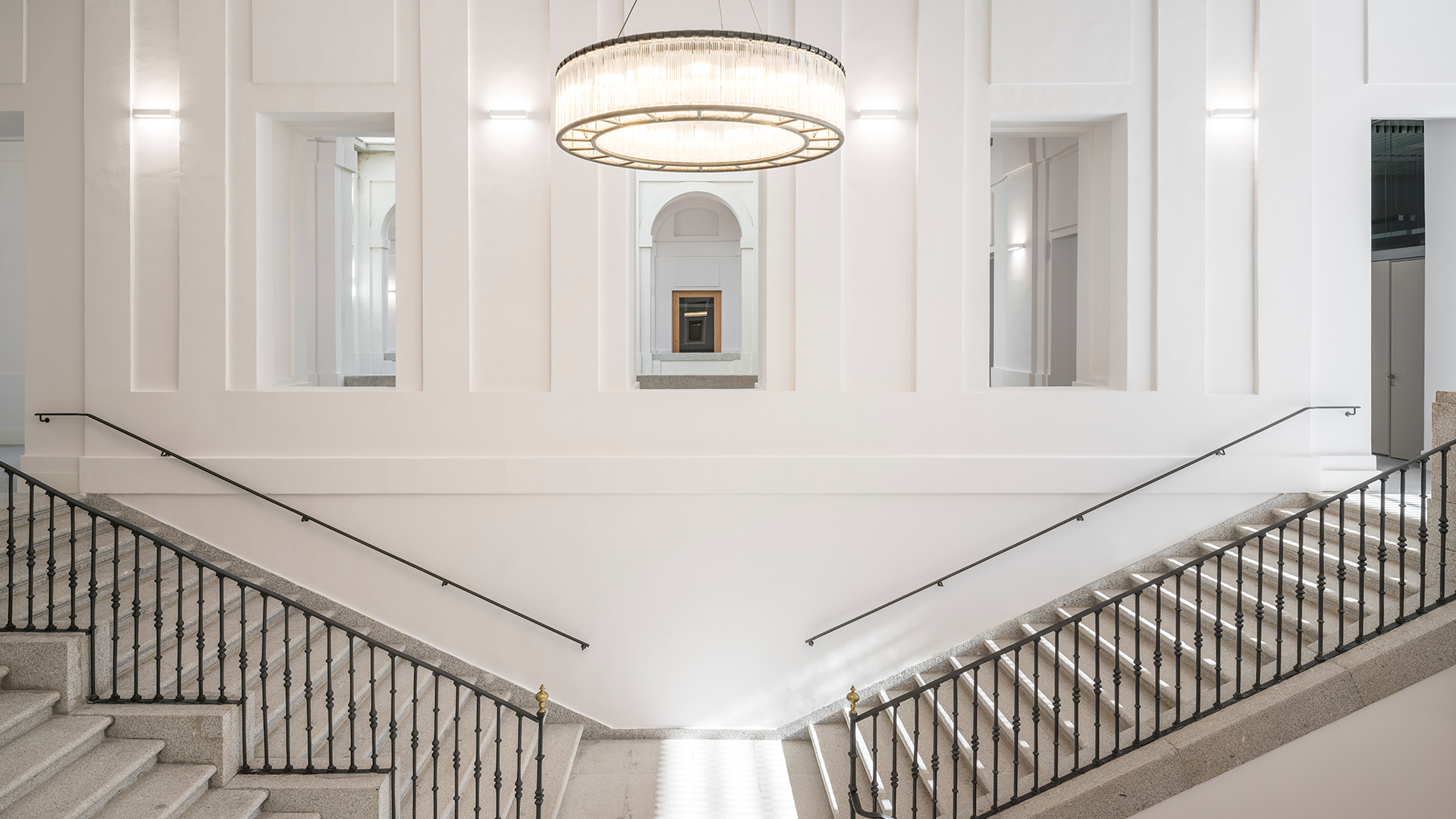
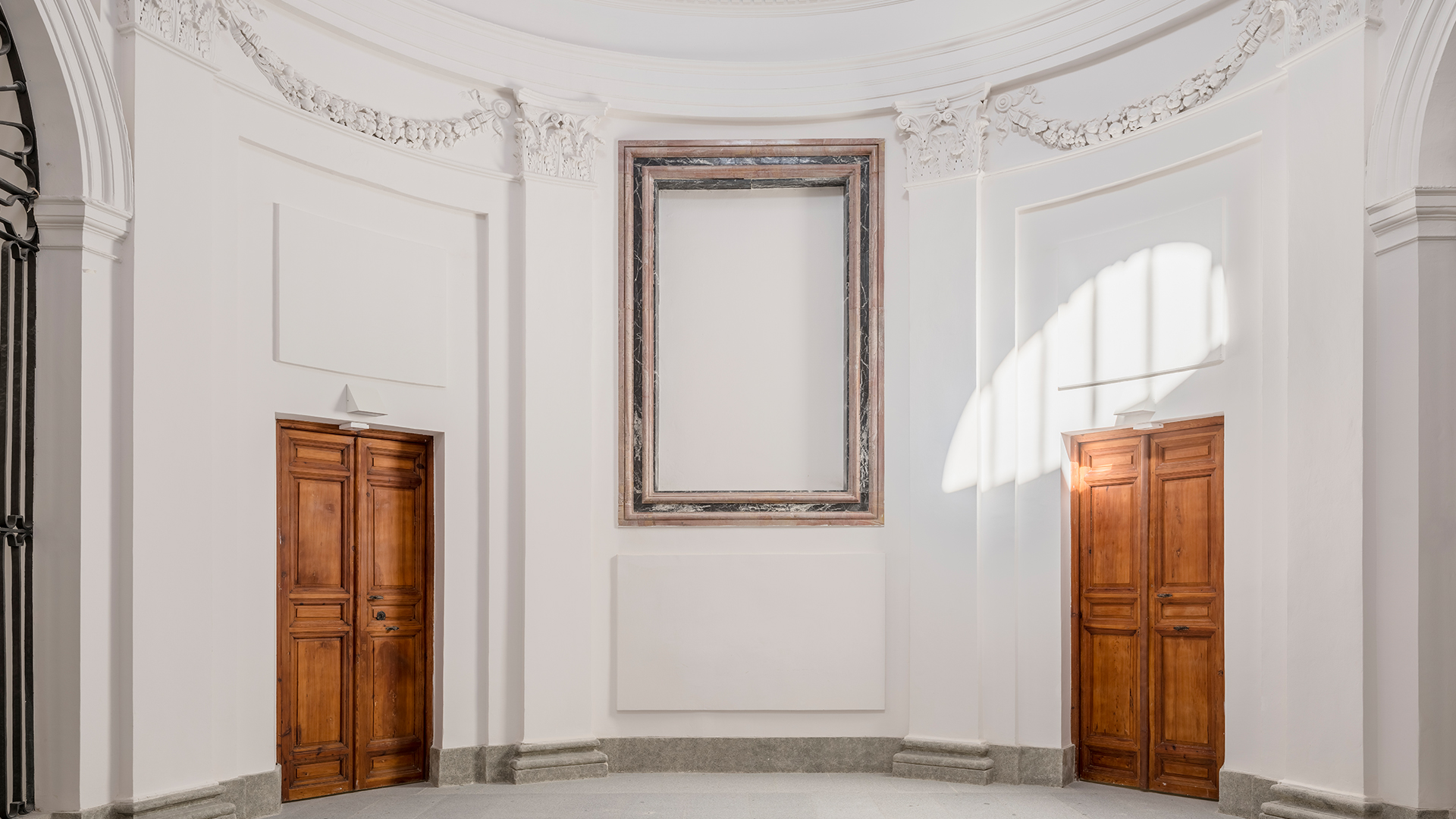
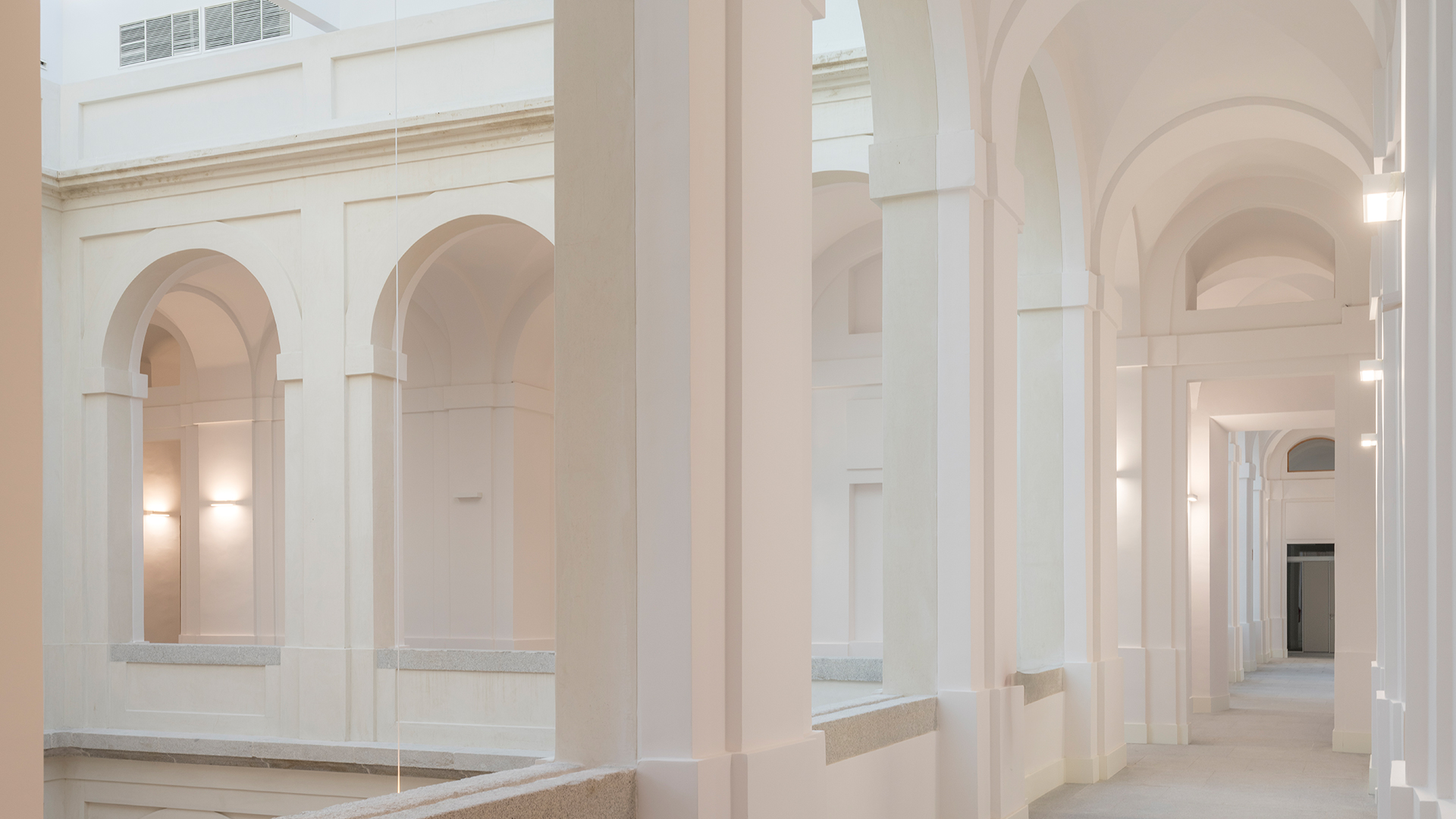
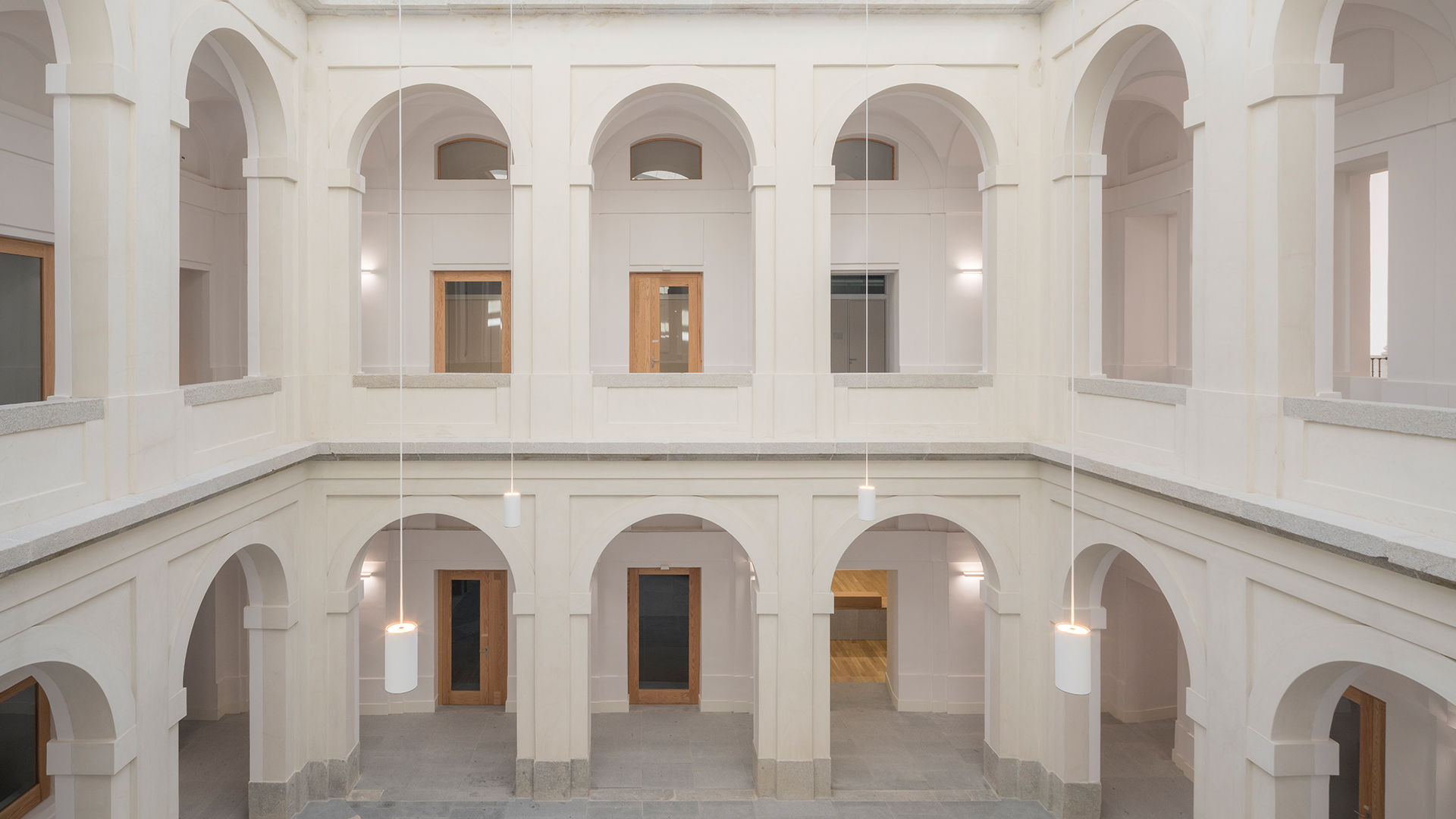
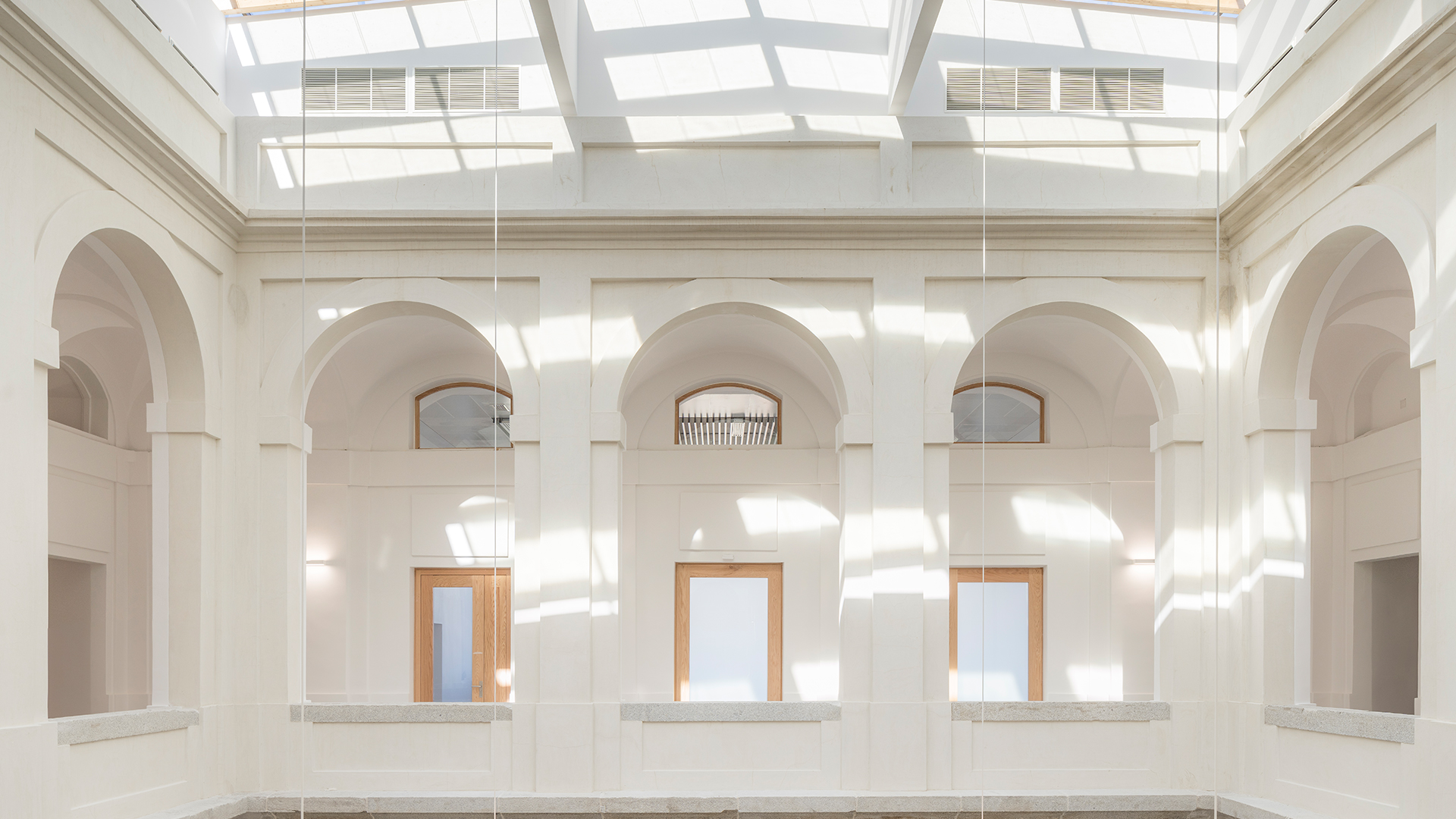

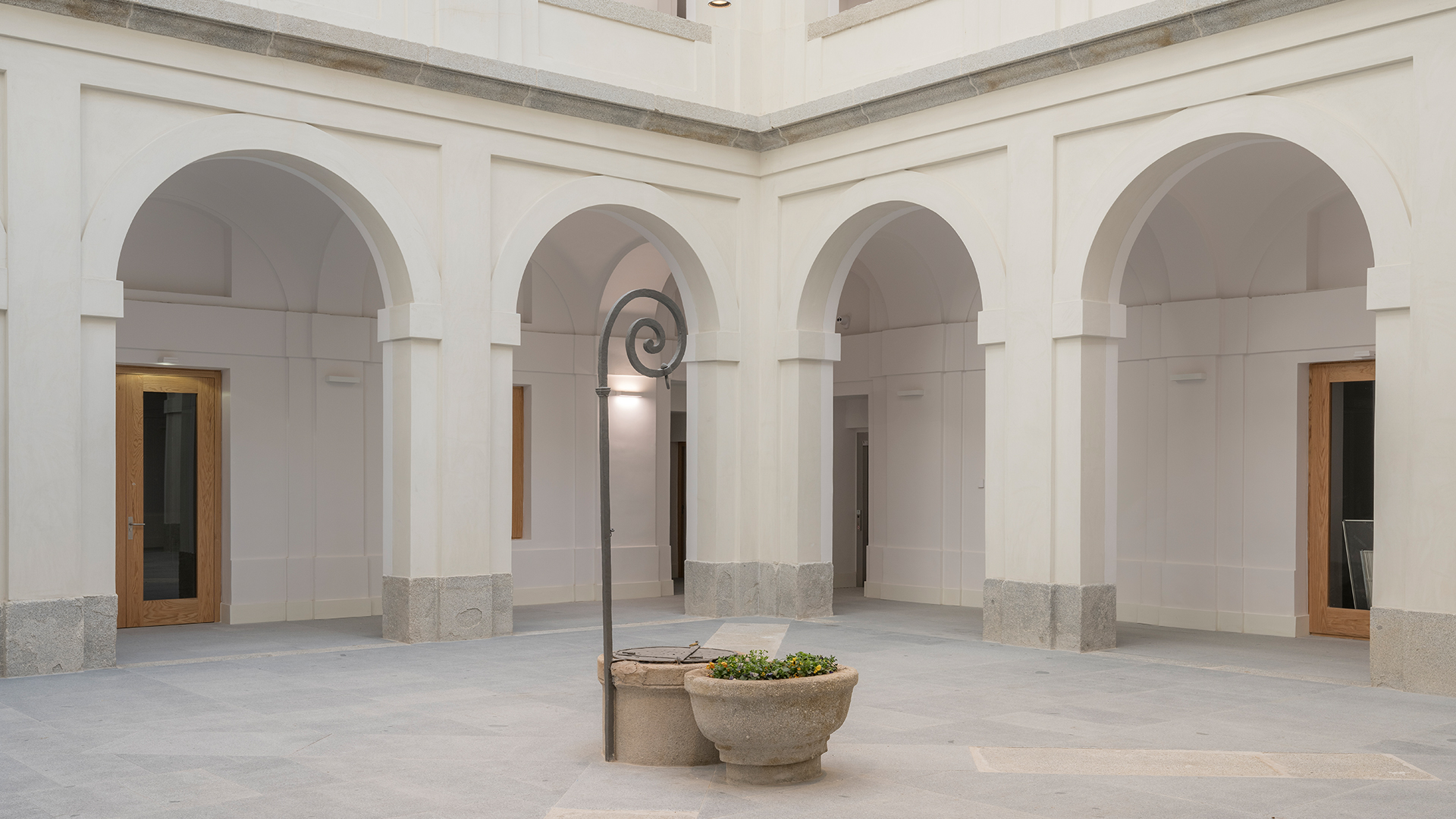
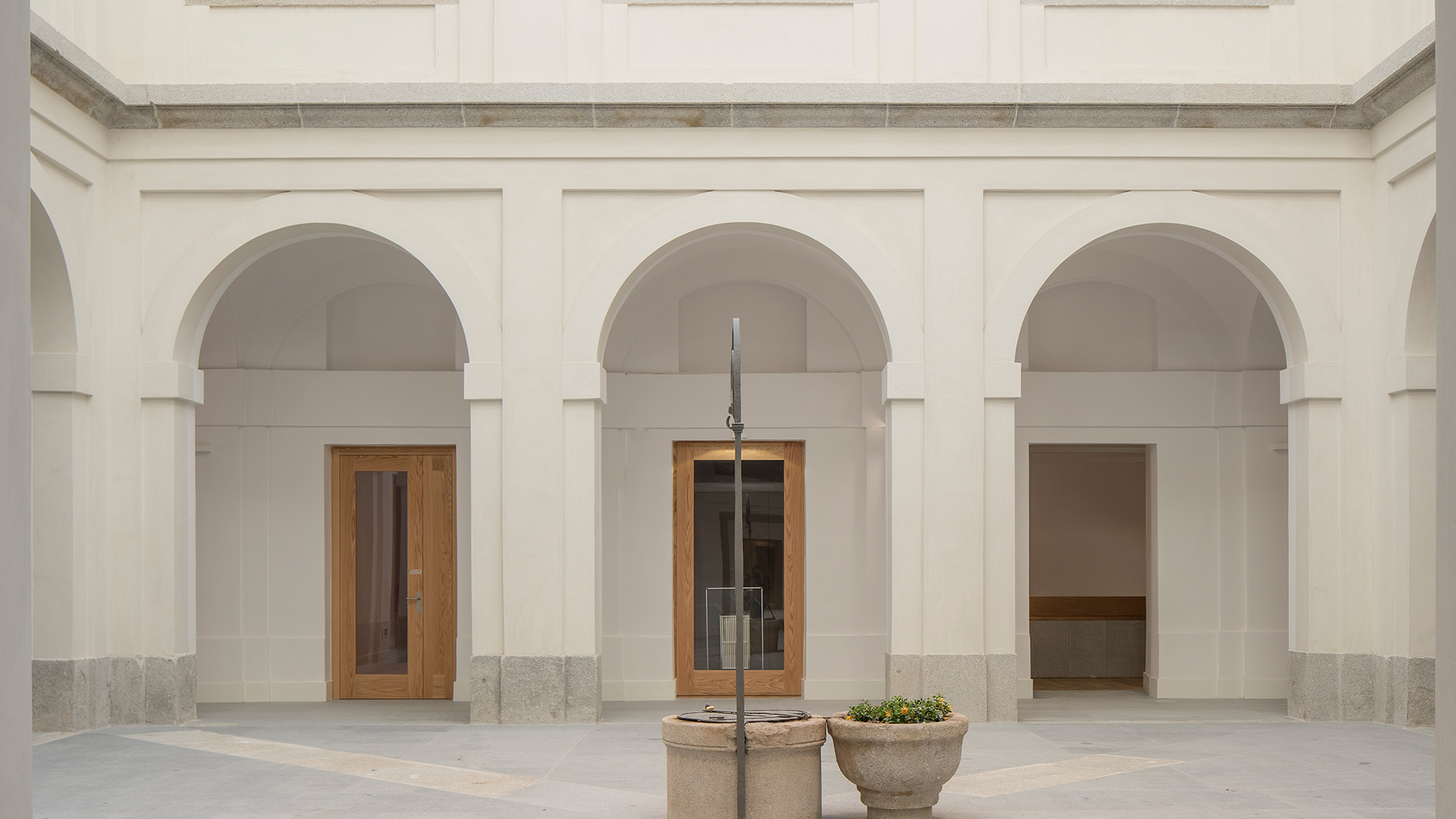
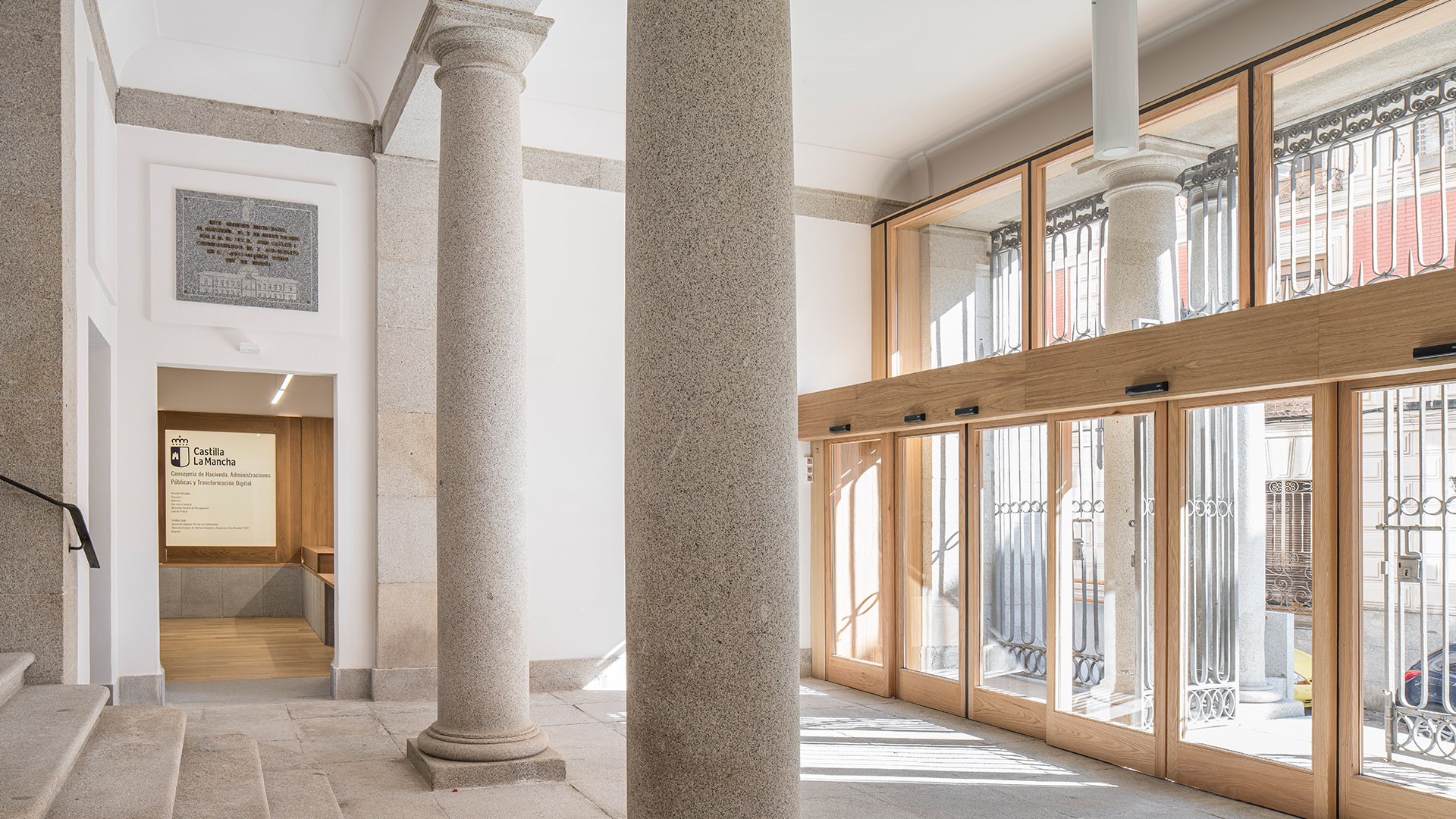
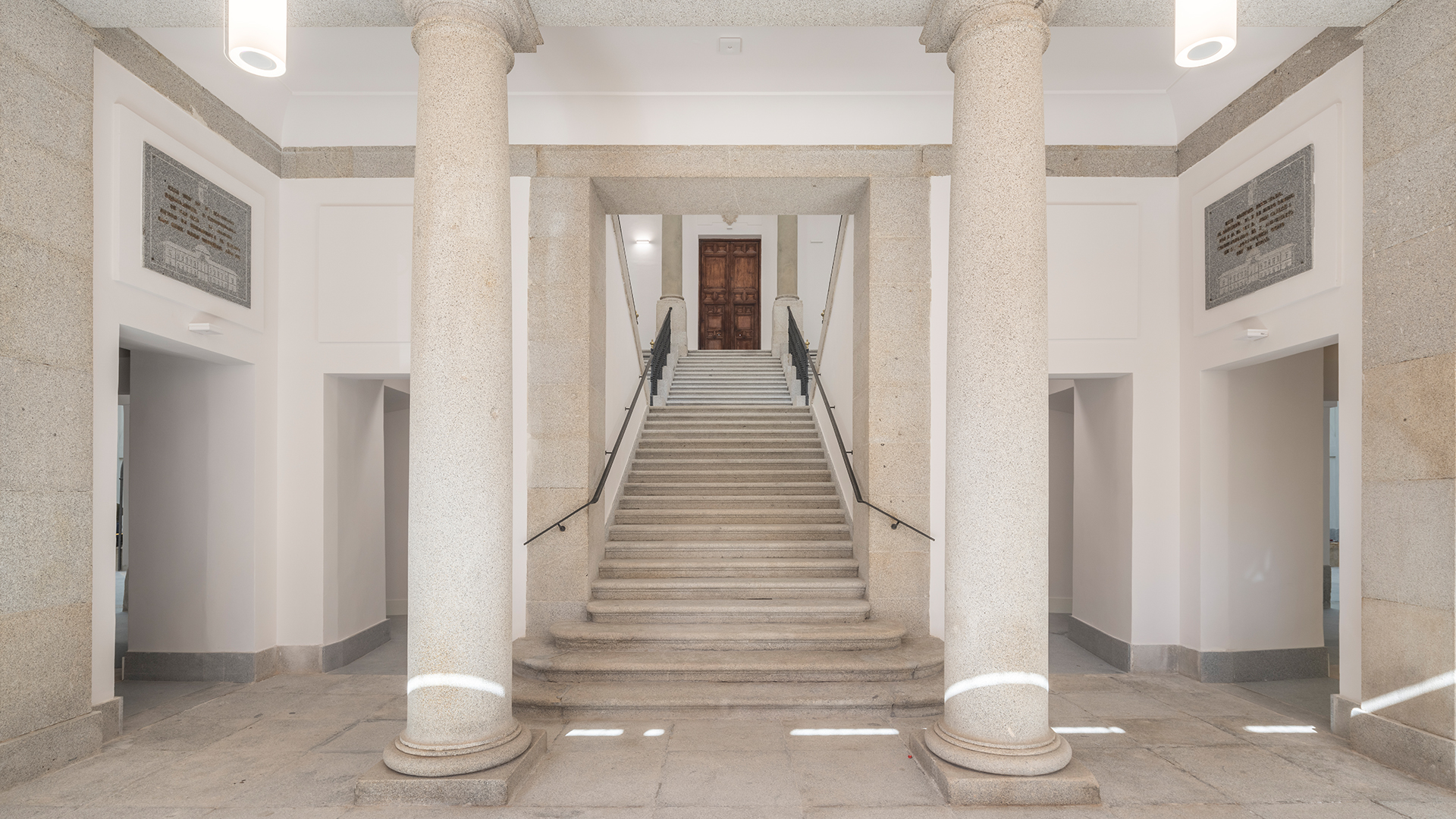
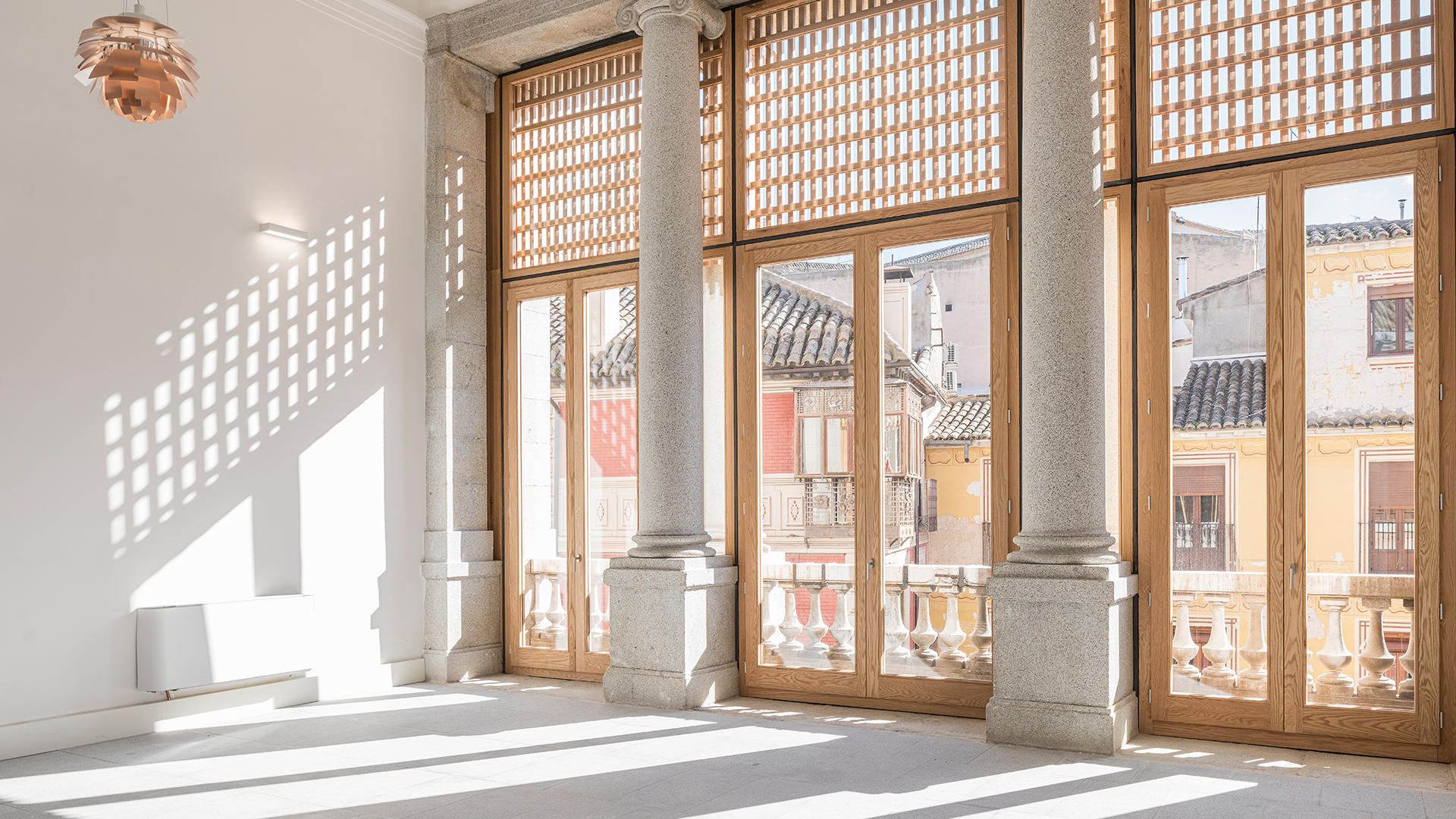
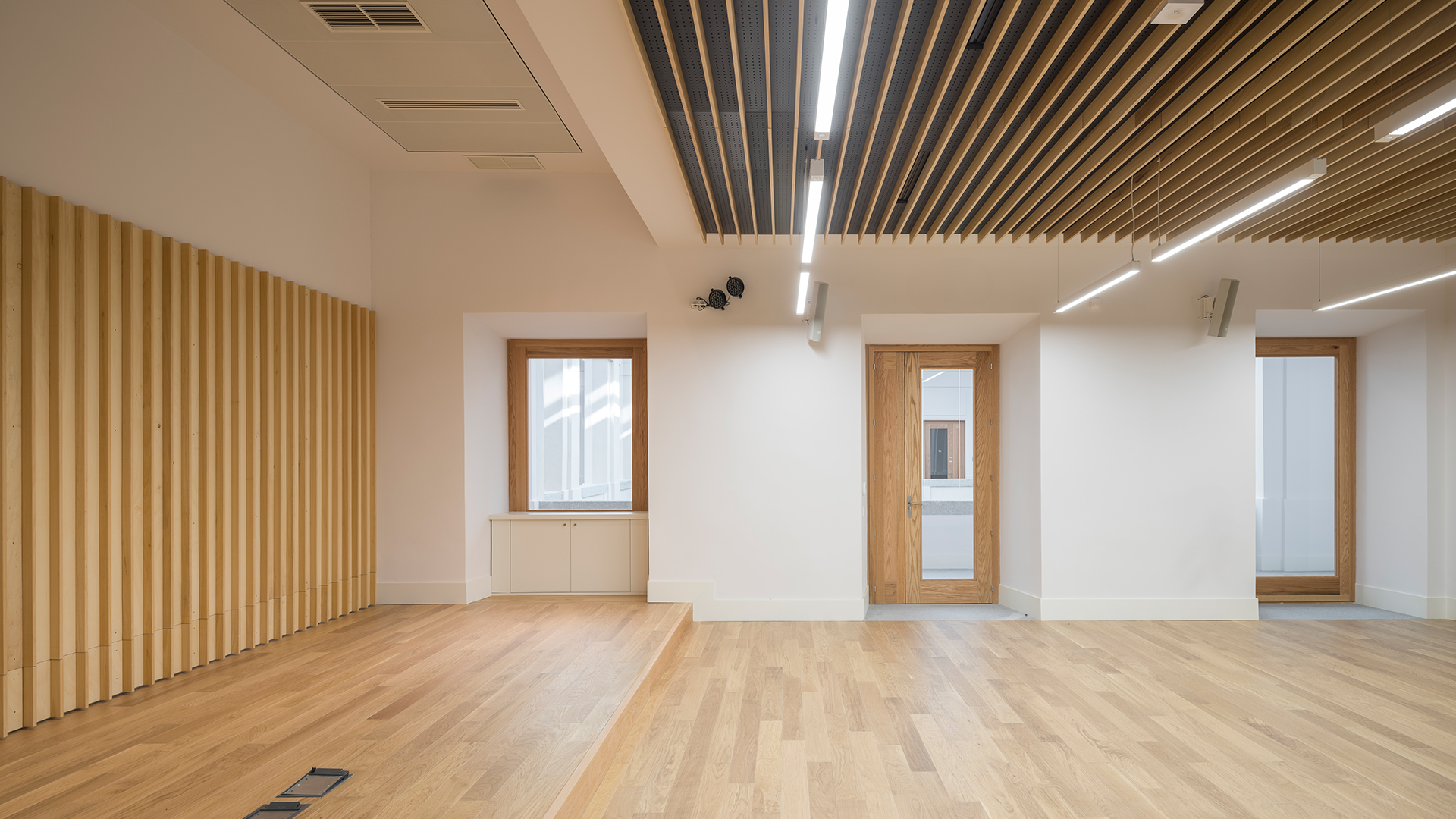
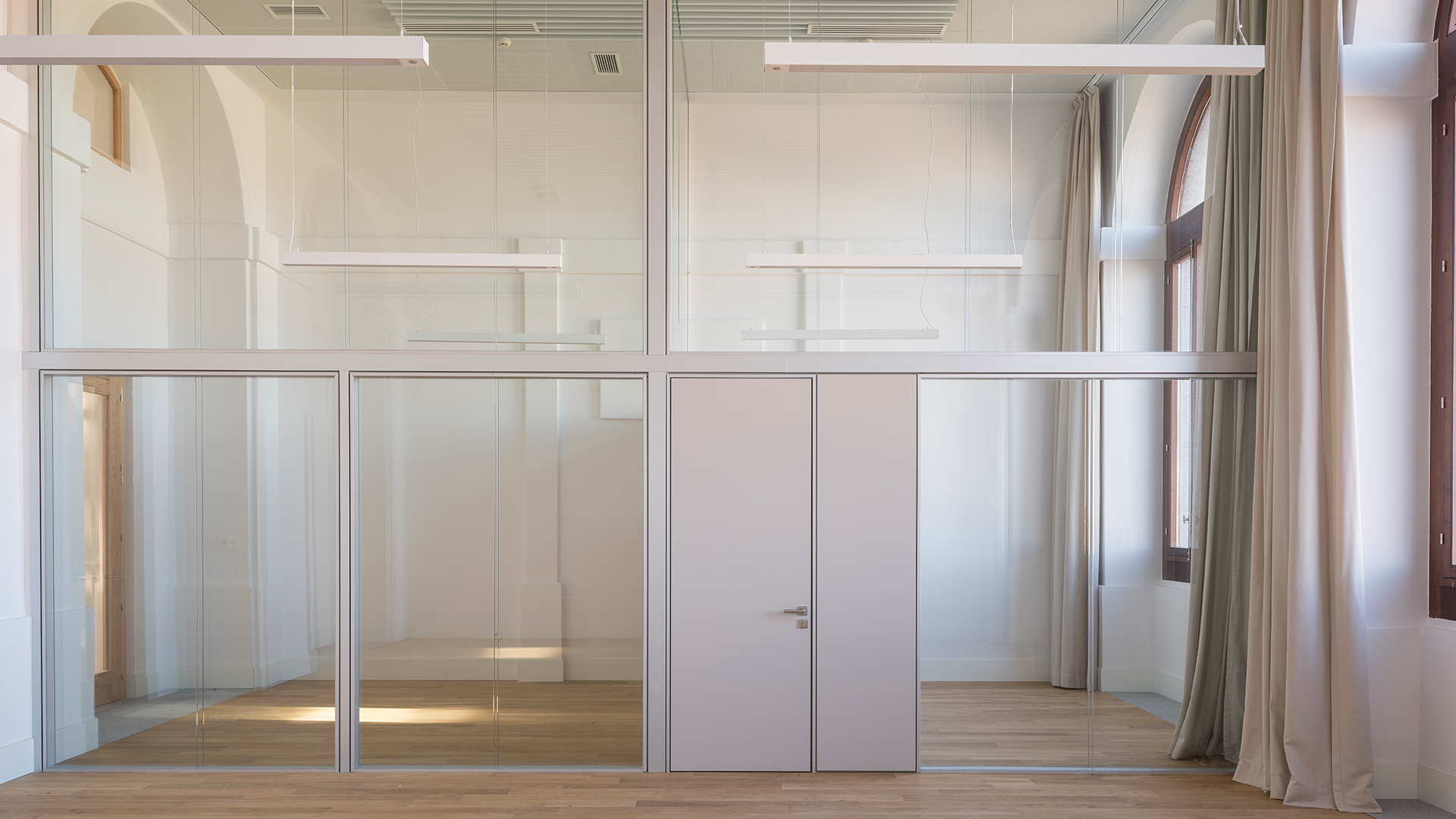
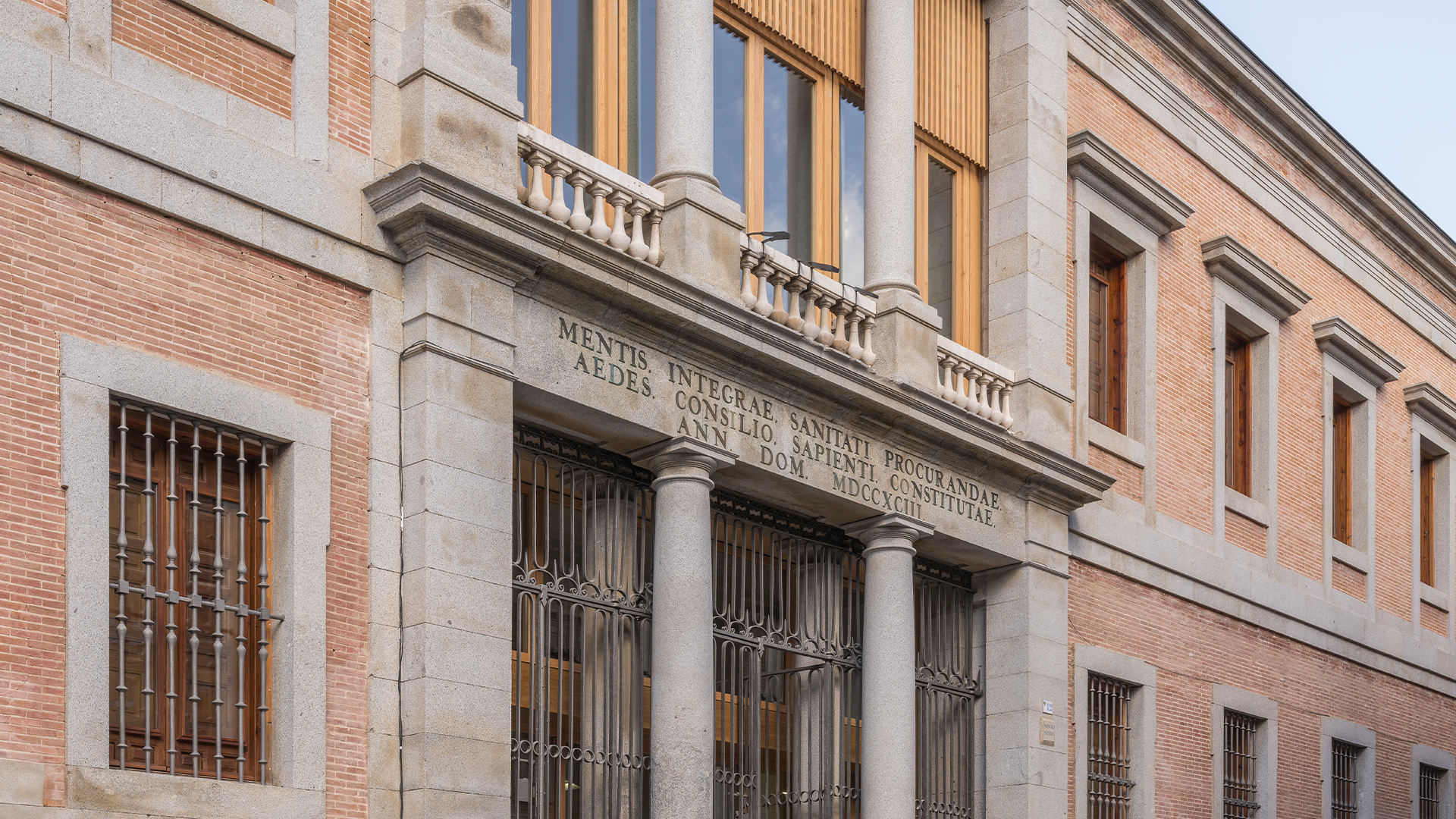
The historic El Nuncio building in Toledo, designed between 1789 and 1790 by architect Ignacio Haan, has been brought back to life following a comprehensive intervention that has transformed it into a modern, accessible and energy-efficient administrative space, while preserving its monumentality and its status as a Cultural Heritage Asset (BIC). Originally conceived as a hospital for people with mental illnesses, it stands as one of the most outstanding examples of Enlightenment-era hospital architecture in Europe. Its rational layout—organized around four courtyards and dominated by a grand imperial staircase—reflects the academic spirit of the 18th century, while its oval chapel, with its elegant Corinthian order and refined ornamentation, lends a distinctive character that has endured for more than two centuries.
After two years of work, El Nuncio has been revitalized through a highly complex technical project carried out by OHLA over more than 8,000 sqm. The intervention included the covering of courtyards, the restoration of the chapel, the complete reorganization of interior spaces, and the full upgrade of installations, achieving energy savings of 96%. The project successfully combines innovation and respect for heritage, projecting the building’s legacy into the future through advanced construction solutions and high-quality materials.
The project was required to meet four key objectives:
All these objectives were achieved despite the inherent complexity of intervening in a historic structure of significant heritage value.
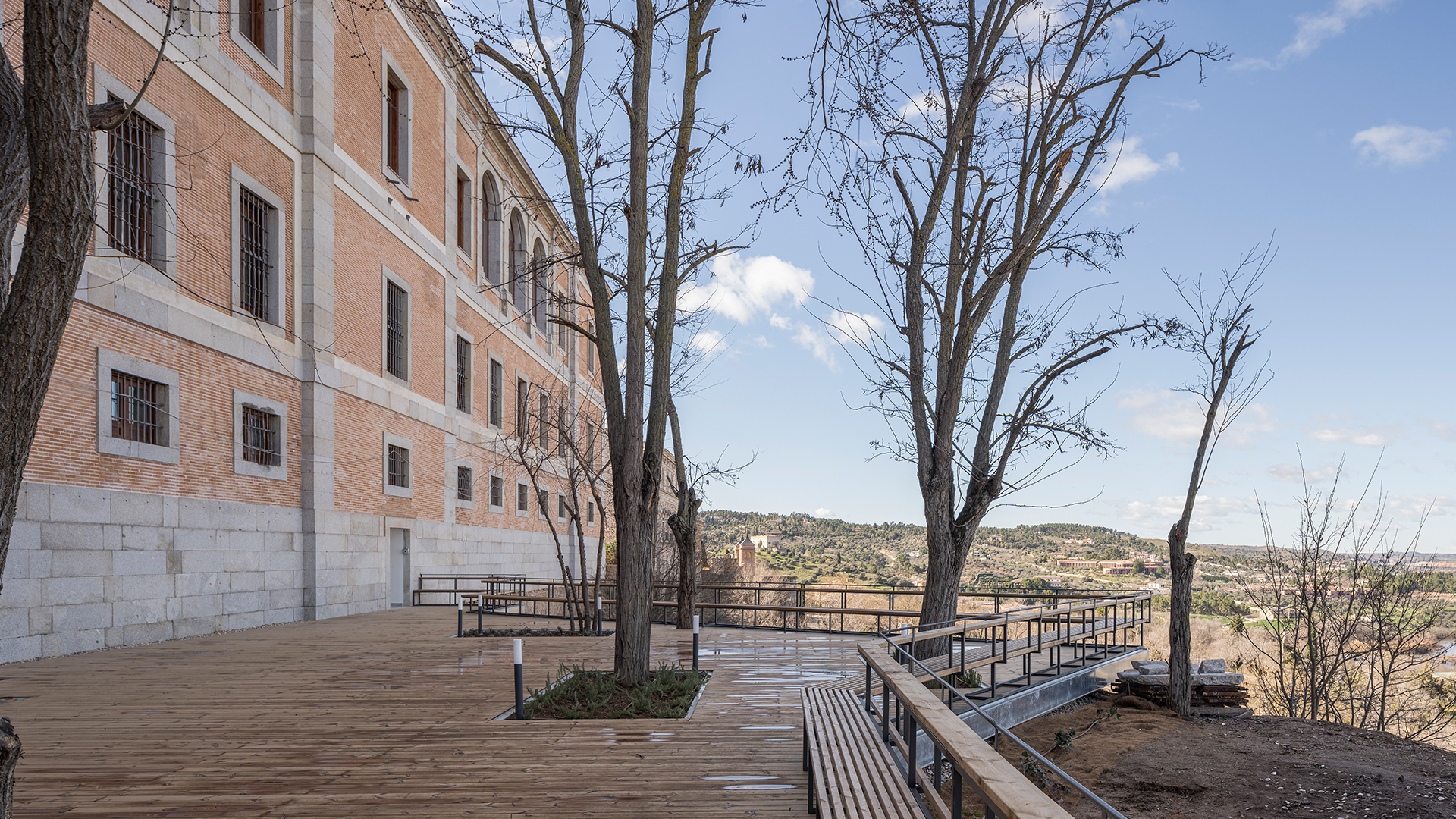
Among the most notable interventions are the covering of the four inner courtyards, the complete renewal of the HVAC system, the restoration of the chapel and external carpentry, the recovery of the rear ramp as an open terrace overlooking the Vega Baja, and the rehabilitation of the semi-basement passageways. These actions have resulted in a 96% reduction in energy consumption and a 60% decrease in electricity costs, reflecting the project’s strong commitment to efficiency and sustainability.
Para ofrecer las mejores experiencias, utilizamos tecnologÃas como las cookies para almacenar y/o acceder a la información del dispositivo. El consentimiento de estas tecnologÃas nos permitir? procesar datos como el comportamiento de navegación o las identificaciones ?nicas en este sitio. No consentir o retirar el consentimiento, puede afectar negativamente a ciertas caracterÃsticas y funciones.